Let’s be honest. Getting your concealed carry permit (or constitutional carry where applicable) is the easy part. The real work begins the moment you decide to strap on a holster every day. It’s a weight—physically and morally—that you voluntarily choose to carry. It’s not about having a “secret weapon”; it’s about adopting a completely new mindset.
After years of conversations with instructors, seasoned carriers, and reflecting on my own journey, I’ve noticed patterns. The people who carry effectively aren’t just “gun people.” They’re practitioners of a deliberate philosophy. Here are the seven habits that separate the responsible from the merely armed.
Habit 1: They Seek Clarity, Not Confusion, on the Law
An effective carrier knows the law better than they know their draw stroke. This doesn’t just mean knowing where you can carry. It means understanding use-of-force statutes, duty to retreat vs. stand your ground provisions in your state, and what constitutes a credible threat. This knowledge isn’t for courtroom debates; it’s the fence that keeps your decision-making in the right pasture when adrenaline is screaming. Ignorance isn’t a defense.

Image Credit: Unsplash / Tingey Injury Law Firm
Habit 2: Their Holster and Belt Are Non-Negotiable
You wouldn’t build a house on a sand foundation. Your concealed carry system is built on your belt and holster. A flimsy belt and a nylon uncle-mike’s holster might hold your gun, but they won’t allow for a consistent, secure draw, and they often compromise safety. The effective carrier invests in a stiff gun belt and a quality, rigid holster that fully covers the trigger guard. This habit is about safety first, comfort second. And paradoxically, a proper setup is more comfortable.
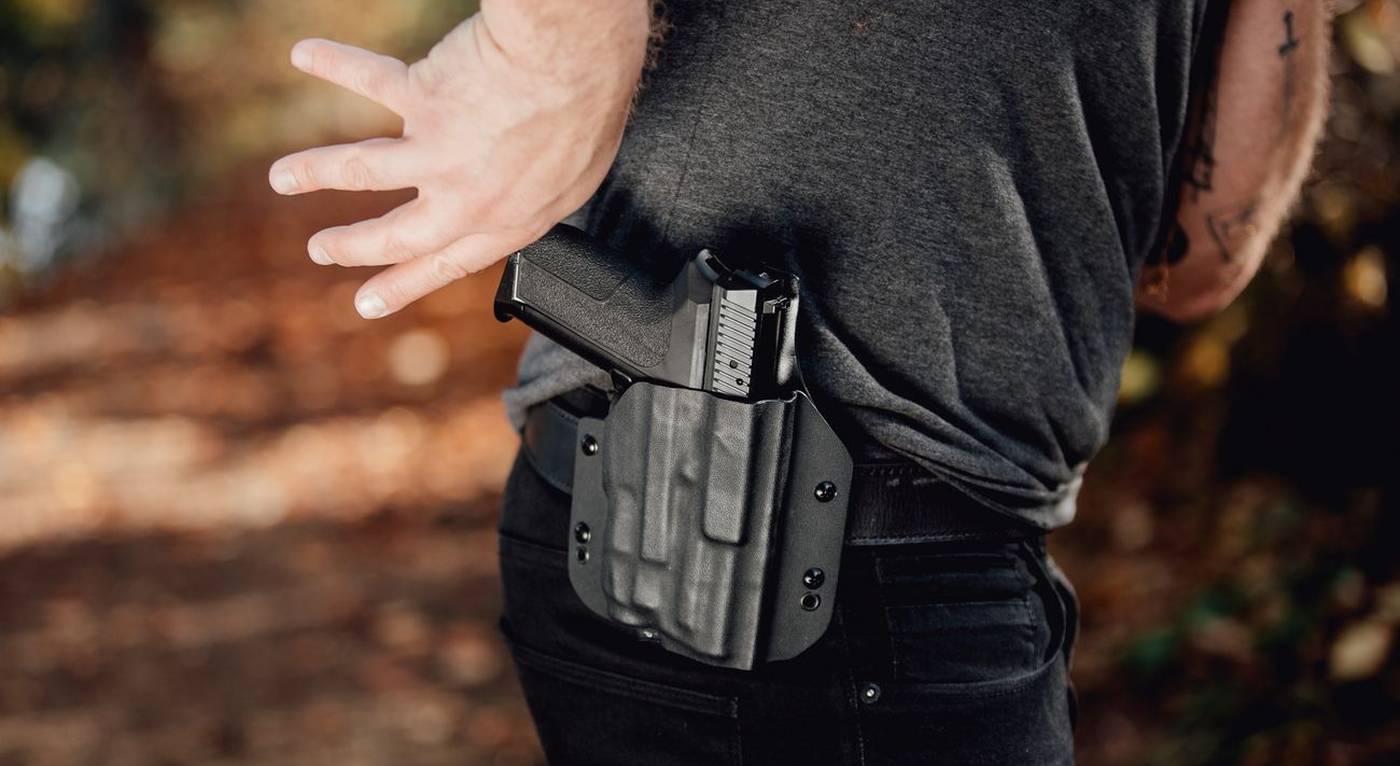
Image Credit: Googleapis
Habit 3: They Train Beyond the Bang
Range time is crucial, but if you only ever stand still and punch paper, you’re training for a test that life won’t give you. Effective carriers seek out training that stresses decision-making, movement, drawing from concealment, and shooting from unconventional positions. They practice malfunction drills until clearing a failure is a thoughtless motor program. They also, critically, invest time in first-aid training, especially for treating gunshot wounds. Your gun is a tool to stop a threat; your medical kit is a tool to save a life, possibly your own.
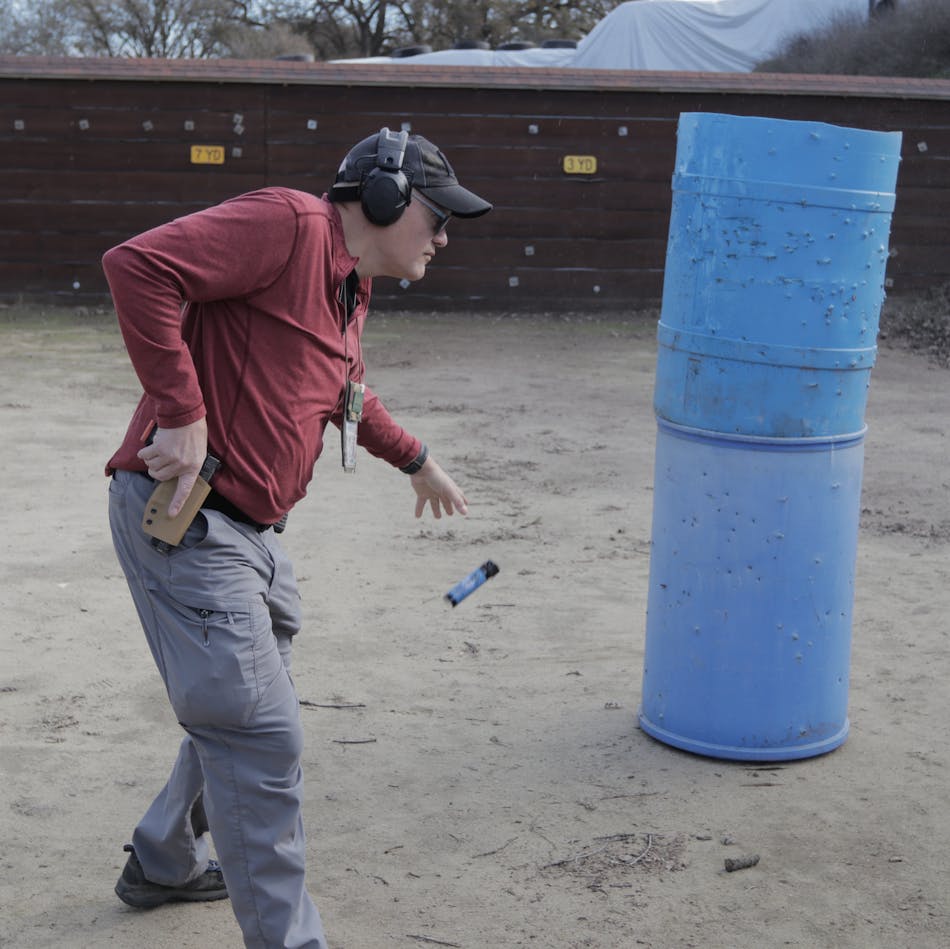
Image Credit: officer.com / Officer Lindsey Bertomen (ret.)
Habit 4: They Practice Situational Awareness (Without Paranoia)
This is the superpower. It’s not about staring everyone down like you’re in a western. It’s a relaxed state of observation—Cooper’s Color Code’s “Yellow.” You’re aware of your environment: exits, unusual behavior, potential cover. The goal is to see problems developing early enough to avoid them altogether. As the old adage goes, “The fight you avoid is the fight you win.” The gun is the last resort, not the first option. Awareness often makes drawing it unnecessary.
Image Credit: Bing Image Creator
Habit 5: They Master Their Ego and De-escalate
Carrying a firearm comes with a profound responsibility to be the adult in the room. An effective carrier’s ego is checked at the door. They will apologize, walk away, and look foolish to avoid a confrontation. That guy who cut you off? Let it go. The rude customer in line? Not your problem. As renowned instructor Massad Ayoob frequently emphasizes, you must be “a good citizen first, armed citizen second.” The firearm is for defending life, not winning arguments.
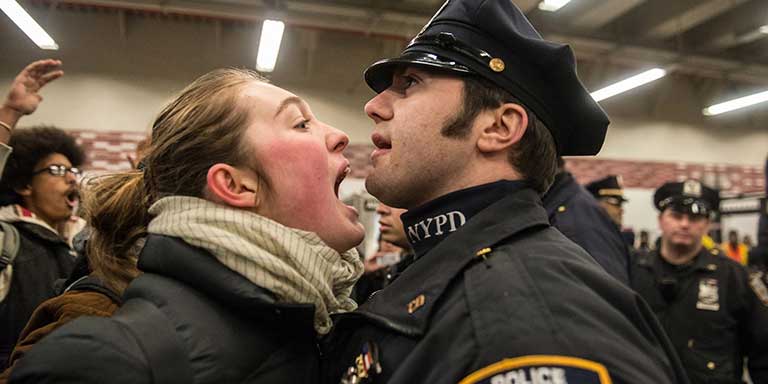
Image Credit: assets.cat5.com
Habit 6: They Commit to Consistent, All-Season Carry
You can’t predict the day you’ll need it. The effective carrier doesn’t carry “when they feel like it” or only when wearing certain clothes. They figure out a system that works with their wardrobe 365 days a year. This might mean different holsters for different attire (appendix carry in summer, strong-side in winter) but the consistency is key. The gun you leave in the safe because it’s inconvenient is of zero help when trouble finds you.

Image Credit: ucarecdn.com
Habit 7: They Reflect on the Gravity of Their Choice
This is the keystone habit. Effective carriers regularly reflect on the potential consequences of using their firearm. They think about the legal aftermath, the psychological impact, and the irrevocable nature of pulling the trigger. This isn’t about hesitation; it’s about solemn preparedness. They carry not because they’re looking for a fight, but because they have people and principles worth protecting, and they understand the gravity of that responsibility.
Image Credit: ccwsafe.com
Carrying a concealed firearm effectively isn’t a hobby. It’s a lifestyle defined by humility, preparation, and continuous growth. It’s about shifting from asking “Can I carry?” to “Am I prepared, in every sense of the word, to carry?”
Adopting these habits won’t happen overnight. Start with one. Maybe this week, you research your state’s use-of-force laws (Habit 1). Next month, you sign up for a stop-the-bleed course (Habit 3). It’s a marathon, not a sprint. The goal is to be a responsible, effective protector—for yourself, your loved ones, and your community.
Stay safe. Train often. Be humble.
Bibliography
Ayoob, M. (2014). Deadly force: Understanding your right to self-defense. Gun Digest Books.
Cooper, J. (1989). Principles of personal defense. Paladin Press.
National Rifle Association. (2022). NRA guide to the basics of personal protection outside the home.
U.S. Concealed Carry Association. (2023). *Critical self-defense laws in all 50 states*. https://www.usconcealedcarry.com/resources/ccw_reciprocity_map/
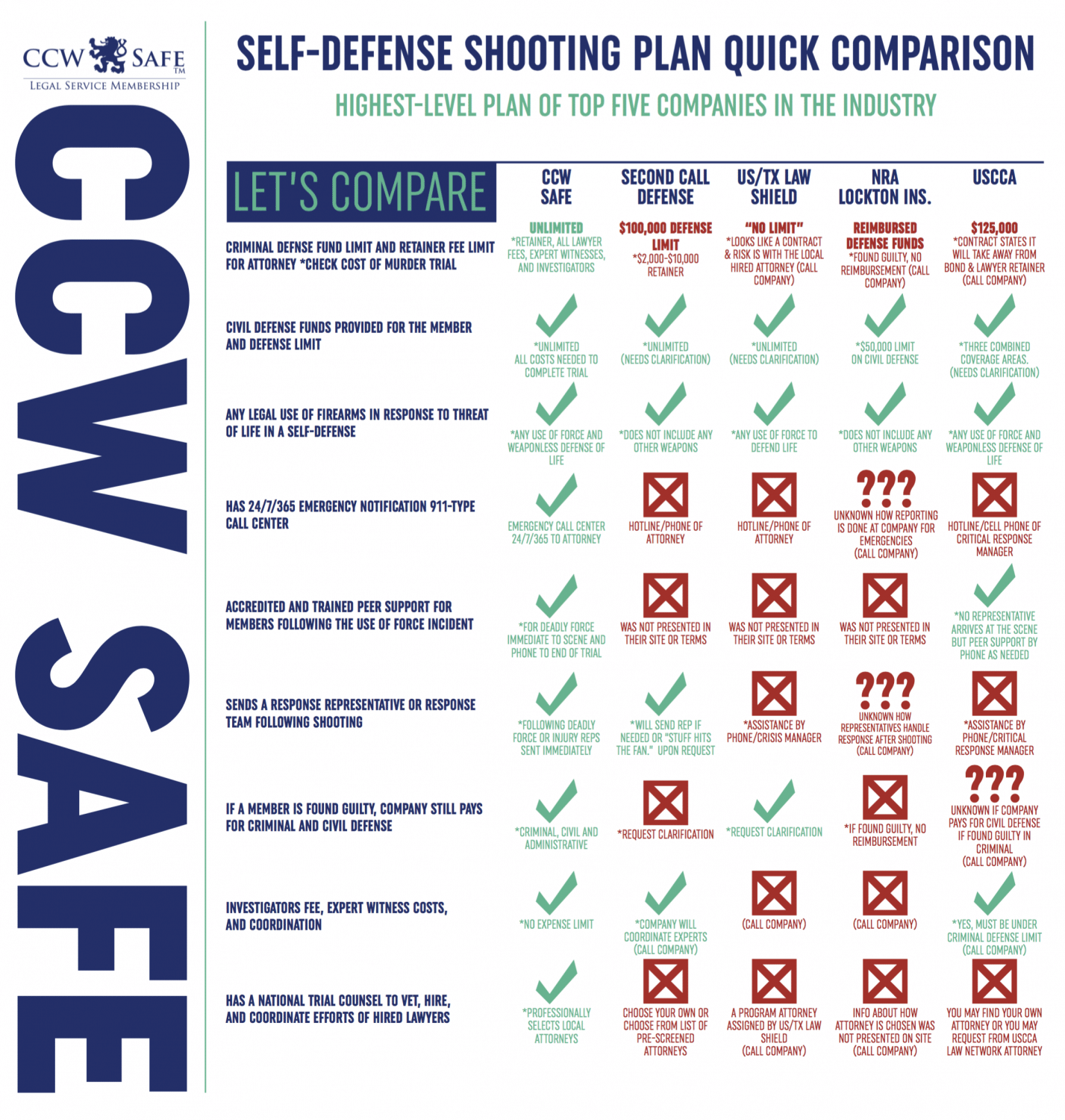
I’m currently a member of CCW SAFE, and you should be too!
 VeteranJaime
Leave a comment