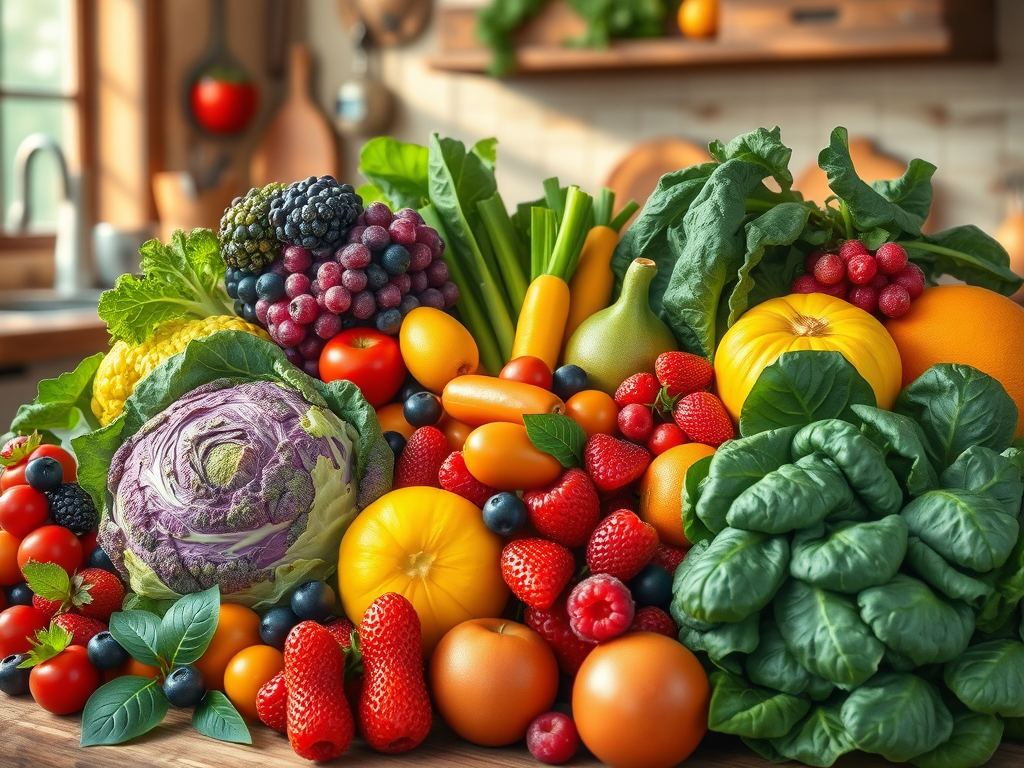
When you’ve lived a life of training, rucking, sweating, and pushing your limits, you learn quickly that performance isn’t just built in the gym — it’s built in the kitchen. And while most people obsess over protein shakes and pre‑workouts, the quiet workhorses of real performance are the fruits and vegetables we tend to overlook.
If you’re still eating the same broccoli and bananas every day, you’re doing your body a disservice. Warriors don’t train one muscle group forever — we rotate, adapt, and diversify. Your nutrition should do the same.
Think of produce like your squad: every color, every type, every variety brings a different strength to the mission. When you mix them, you build a stronger, more resilient body capable of recovering faster, fighting inflammation, and sustaining long-term performance.
Below are eight powerhouse produce groups every veteran, athlete, and everyday warrior should keep in their rotation.

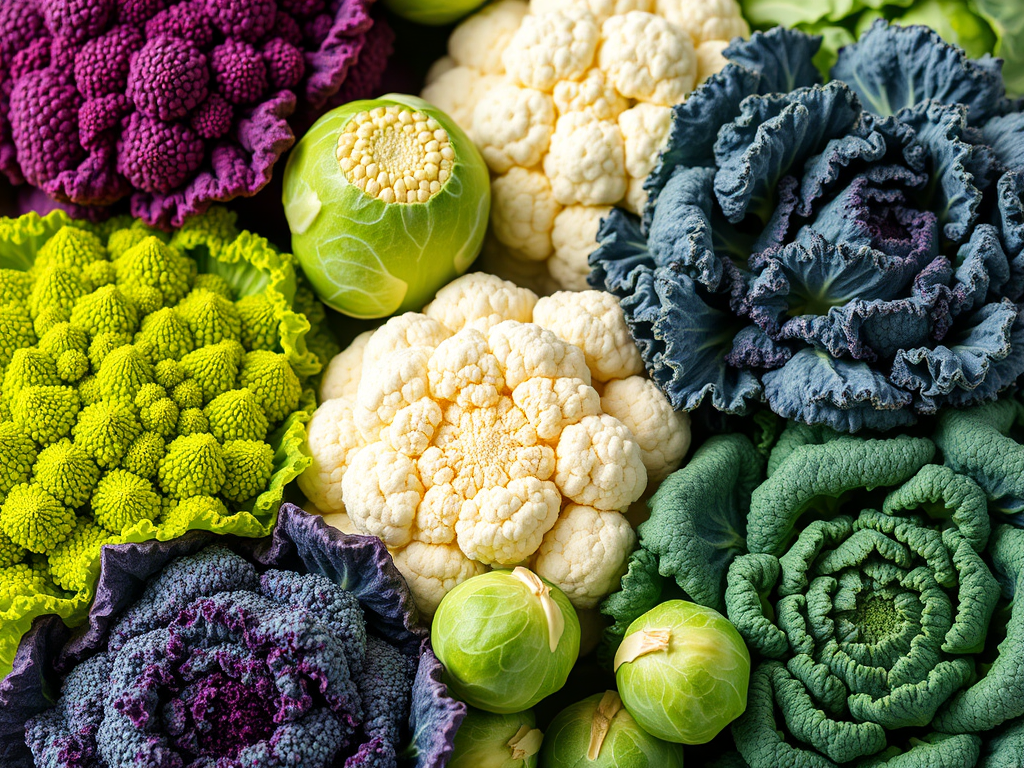
🥦 1. Cruciferous Vegetables — The Anti‑Inflammation Unit
These vegetables come with a natural edge: sulfur-based compounds called glucosinolates. They’re responsible for that sharp, bitter bite — and they’re also responsible for reducing inflammation.
If you train hard, deal with old injuries, or simply live with the wear and tear of service, this group is your ally.
Examples: Broccoli, cauliflower, bok choy, cabbage, Brussels sprouts, radishes, arugula, collards
Why they matter:
- Reduce inflammation
- Support detoxification
- Strengthen long-term health
Aim for at least one serving a day. Your joints will thank you.
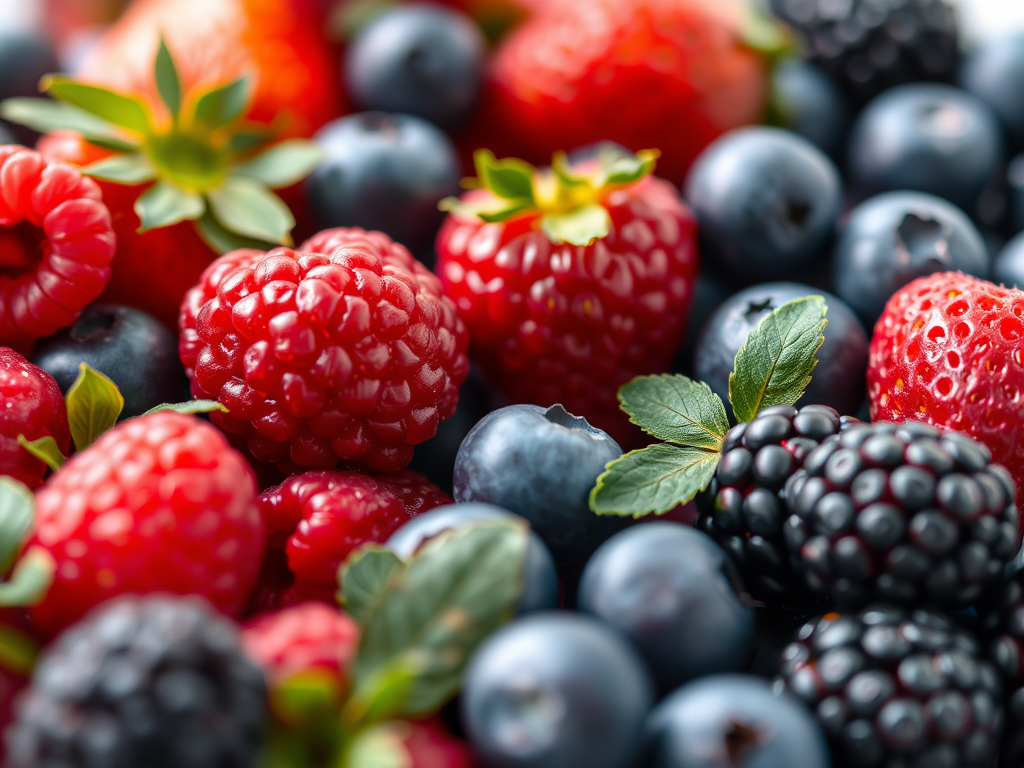
🍓 2. Berries — The Recovery Specialists
Berries are loaded with anthocyanins — antioxidants that give them their deep, rich colors. These compounds help fight inflammation, support brain health, and speed up recovery.
For veterans dealing with stress, long-term fatigue, or cognitive strain, berries are a simple, powerful addition.
Examples: Raspberries, blackberries, strawberries, blueberries, elderberries, cranberries
Why they matter:
- High in antioxidants
- Support cognitive function
- Excellent fiber source
Raspberries and blackberries pack the most fiber — a win for gut health and sustained energy.
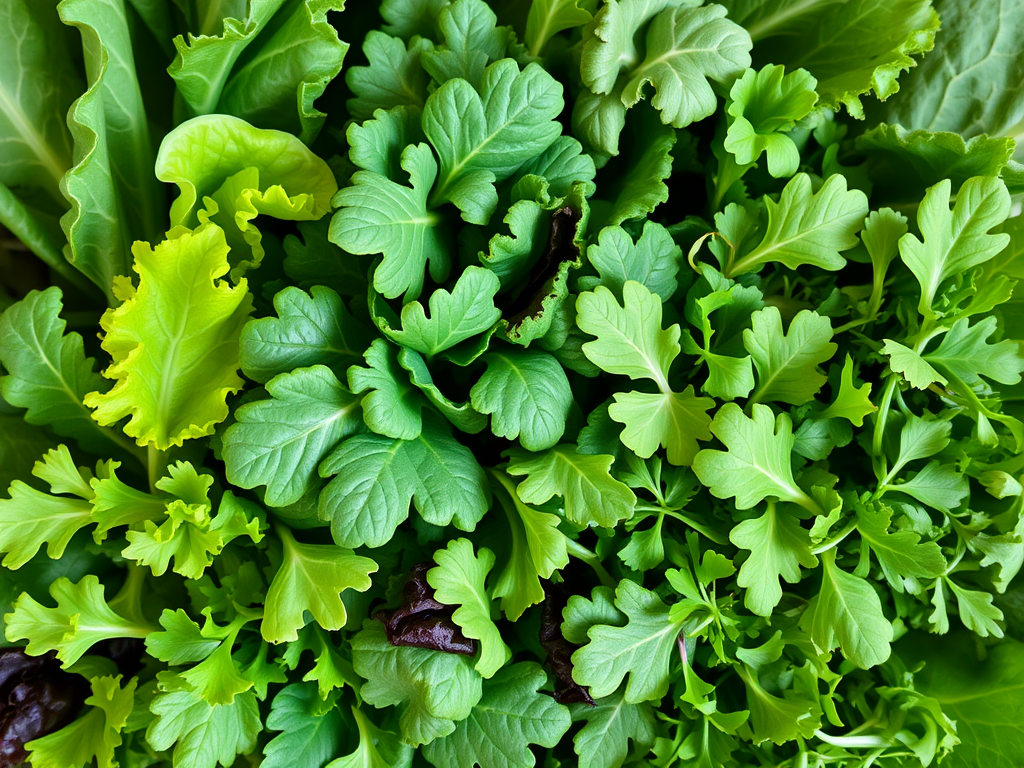
🥬 3. Leafy Greens — The Nutrient-Dense Workhorses
If there’s one category most people fall short on, it’s leafy greens. These lightweight leaves carry heavyweight nutrition: folate, vitamin K, iron, vitamin C, and beta-carotene.
For veterans rebuilding their health, metabolism, or stamina, greens are foundational.
Examples: Spinach, kale, lettuce, collards, Swiss chard, mustard greens, microgreens
Why they matter:
- Support metabolism
- Improve blood health
- Reduce inflammation
Add them to eggs, smoothies, bowls, or soups — they disappear easily but make a big impact.
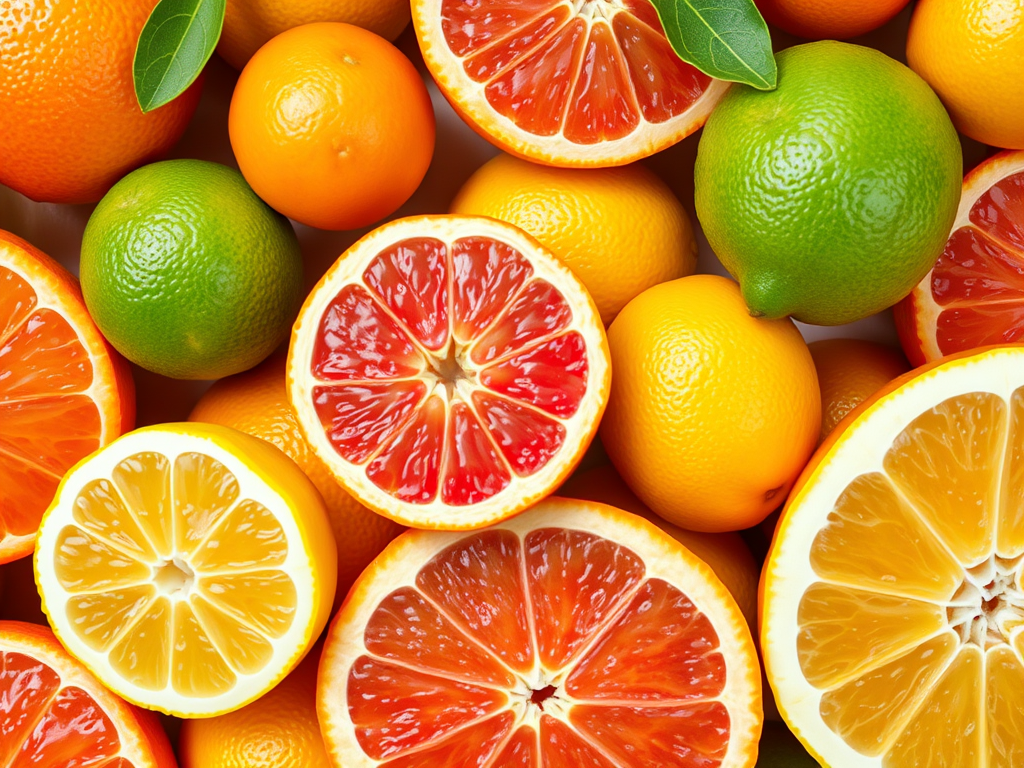
🍊 4. Citrus Fruits — The Immune Boosters
Citrus fruits are simple, affordable, and accessible — and they deliver a strong dose of vitamin C, one of the most underrated antioxidants.
If you’re training, recovering from injury, or dealing with stress, vitamin C helps protect your cells and supports collagen formation — essential for tendons and ligaments.
Examples: Oranges, grapefruit, lemons, limes, kumquats
Why they matter:
- Strengthen immunity
- Support skin and connective tissue
- Improve recovery
A daily citrus serving is an easy win.
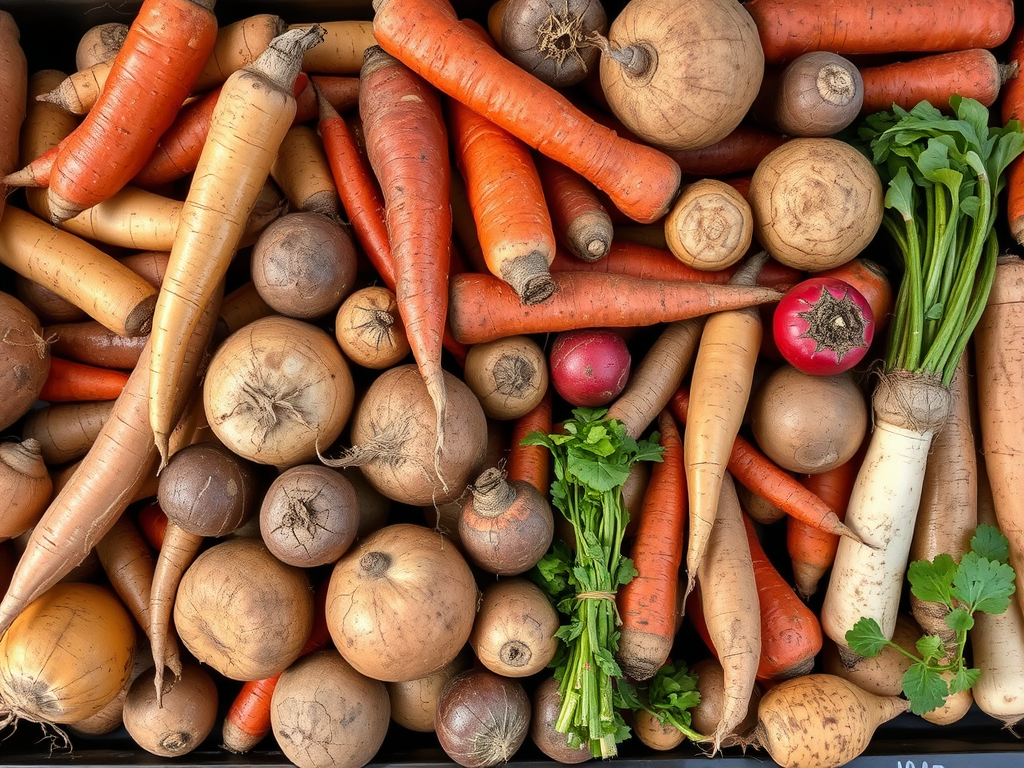
🥕 5. Root Vegetables — The Energy Providers
Root vegetables often get dismissed because they’re higher in carbohydrates — but for performance, that’s exactly what makes them valuable.
These are slow-burning, nutrient-dense fuel sources that support endurance, strength, and recovery.
Examples: Potatoes, sweet potatoes, carrots, turnips, beets
Why they matter:
- Provide long-lasting energy
- Support heart health
- Improve blood flow (especially beets)
Beets, in particular, are rich in nitrates, which convert to nitric oxide — opening blood vessels and improving oxygen delivery to your muscles.
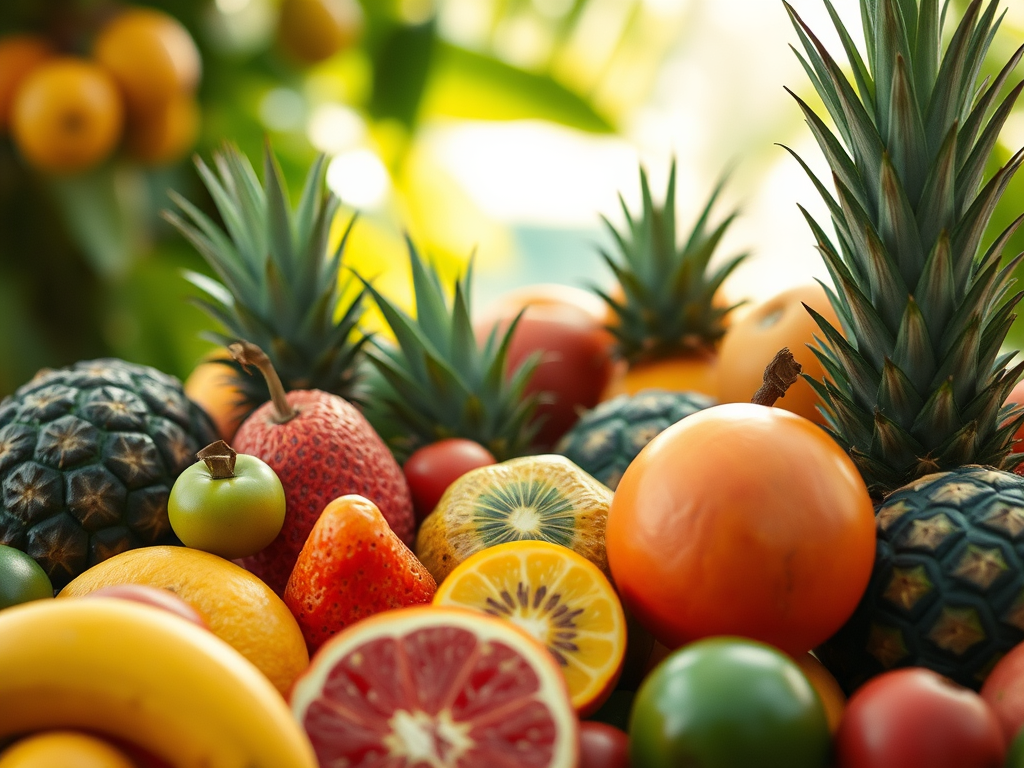
🥭 6. Tropical Fruits — The Hydration Helpers
Tropical fruits bring natural electrolytes, fast energy, and hydration — perfect for hot climates, long training days, or recovery after intense sessions.
Examples: Pineapple, mango, papaya, kiwi, bananas
Why they matter:
- Support digestion
- Provide quick energy
- Reduce inflammation (especially pineapple’s bromelain)
These are great pre‑workout or mid‑day fuel.
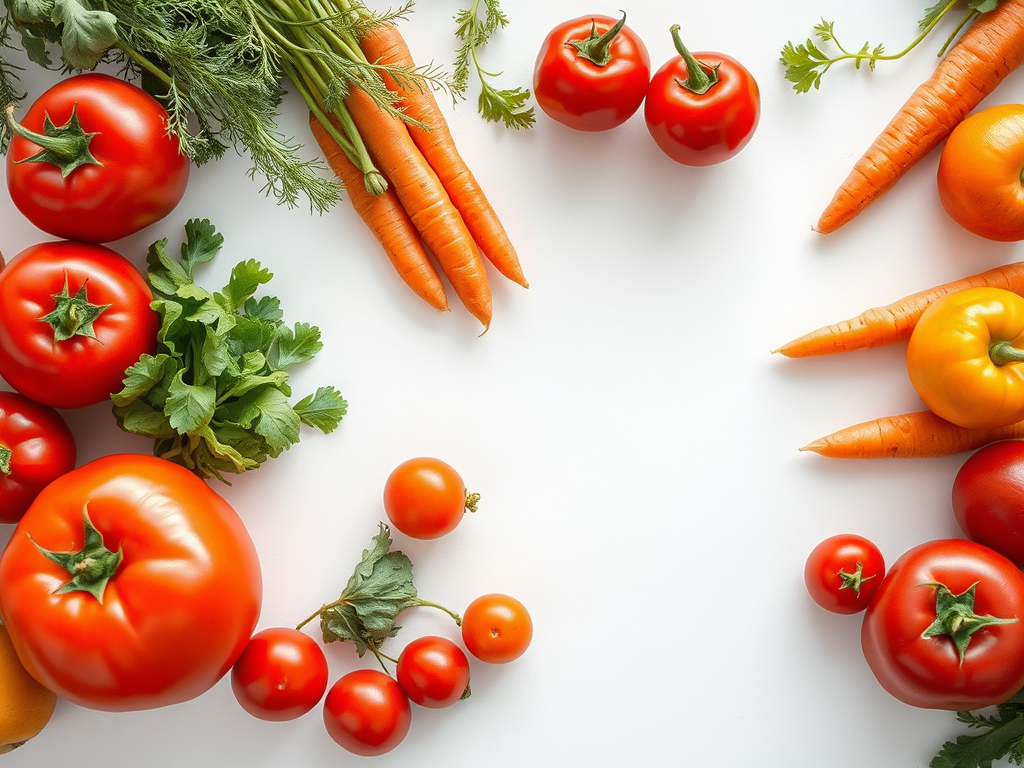
🍅 7. Red & Orange Produce — The Antioxidant Armor
These fruits and vegetables are loaded with carotenoids — compounds that support eye health, immune function, and inflammation control.
Examples: Tomatoes, bell peppers, carrots, squash, watermelon
Why they matter:
- Protect cells from stress
- Support vision
- Improve recovery
Think of these as your internal armor.
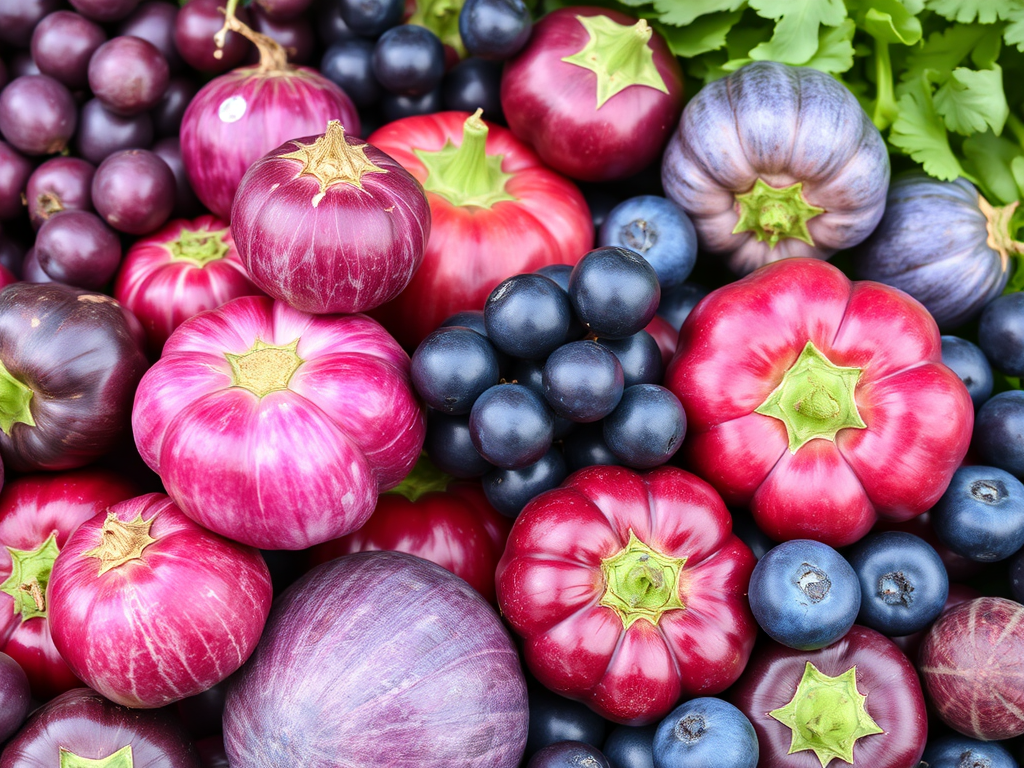
🍇 8. Purple & Blue Produce — The Brain Protectors
Deep-colored produce is packed with compounds that support memory, focus, and long-term brain health — something many veterans prioritize as they age.
Examples: Purple cabbage, eggplant, plums, grapes, blueberries
Why they matter:
- Support cognitive function
- Reduce inflammation
- Improve circulation
These are especially helpful for mental clarity and long-term resilience.
Final Thoughts: Eat Like a Warrior, Not a Robot
Nutrition isn’t about perfection — it’s about consistency and variety. The more colors you put on your plate, the more tools your body has to perform, recover, and stay resilient.
You don’t need a complicated diet. You just need a diverse one.
Fuel your body like the warrior you are. Your performance — in the gym, at work, and in life — will reflect it.





 VeteranJaime
Leave a comment