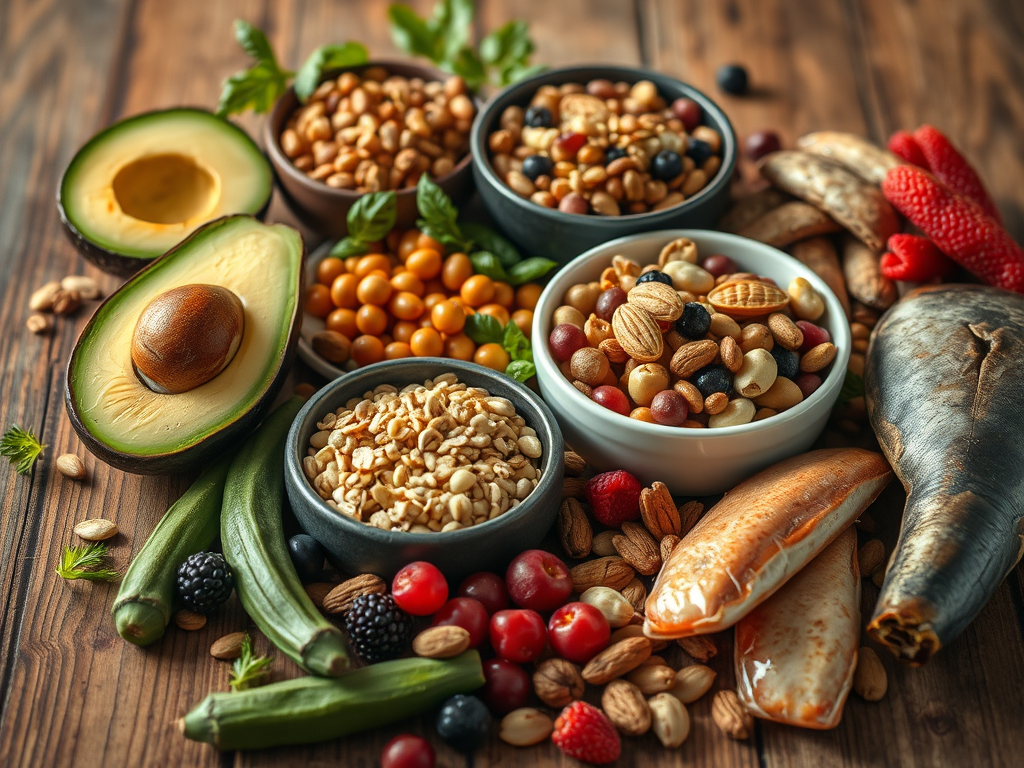
Reclaiming discipline, energy, and control—one ingredient at a time.
If there’s one thing military life teaches us, it’s how to push through discomfort. Hunger, stress, long hours, unpredictable schedules—we’ve all been there. But in civilian life, that same grit can backfire when our nutrition habits don’t match our new reality.
Many veterans tell me the same story: “I eat, but I’m still hungry.” “My cravings hit hard at night.” “I’m trying to get back in shape, but I feel like I’m fighting my own body.”
You’re not broken. You’re not lacking discipline. Your body is simply asking for the right fuel.
So let’s talk about 10 powerful, nutrient‑dense foods that help regulate hunger, stabilize energy, and support a mission-ready lifestyle—without fad diets or gimmicks. These ingredients are backed by research and highlighted in the article you’re viewing, but here they’re reframed through a veteran lens: practical, purposeful, and sustainable.
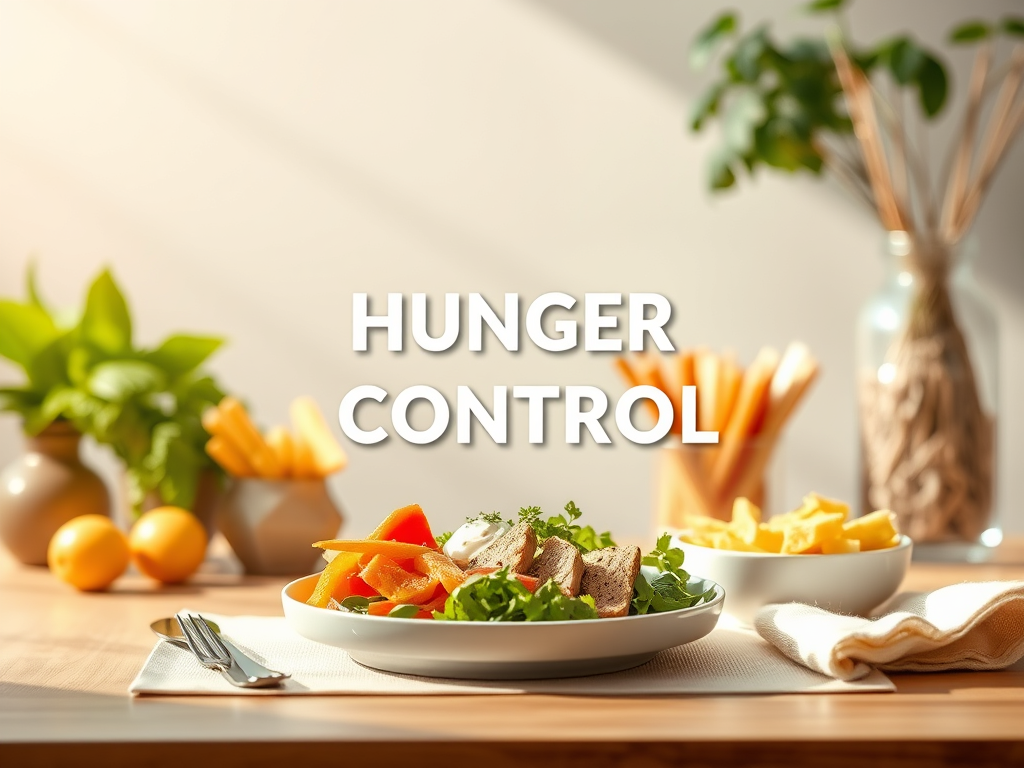
1. Avocado — The Sustained‑Energy Fat Source
Avocados are loaded with healthy fats and fiber that keep your blood sugar steady and your appetite calm. One half can keep you satisfied for hours. Why it matters for veterans: stable energy, fewer crashes, better focus.
Easy uses: on toast, in smoothies, or swapped for mayo.
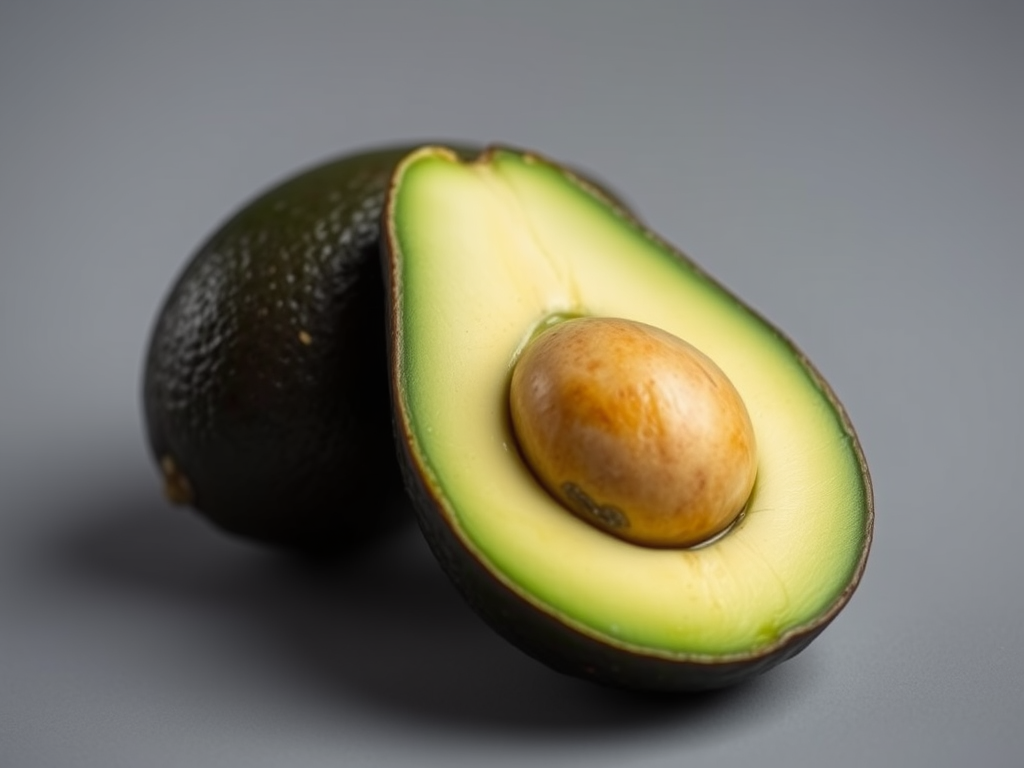
2. Oats — The Slow‑Burn Carb
Oats deliver beta‑glucan fiber, which slows digestion and keeps hunger at bay. Why it matters: predictable energy release, ideal for morning routines.
Easy uses: overnight oats, oat flour, or blended into shakes.
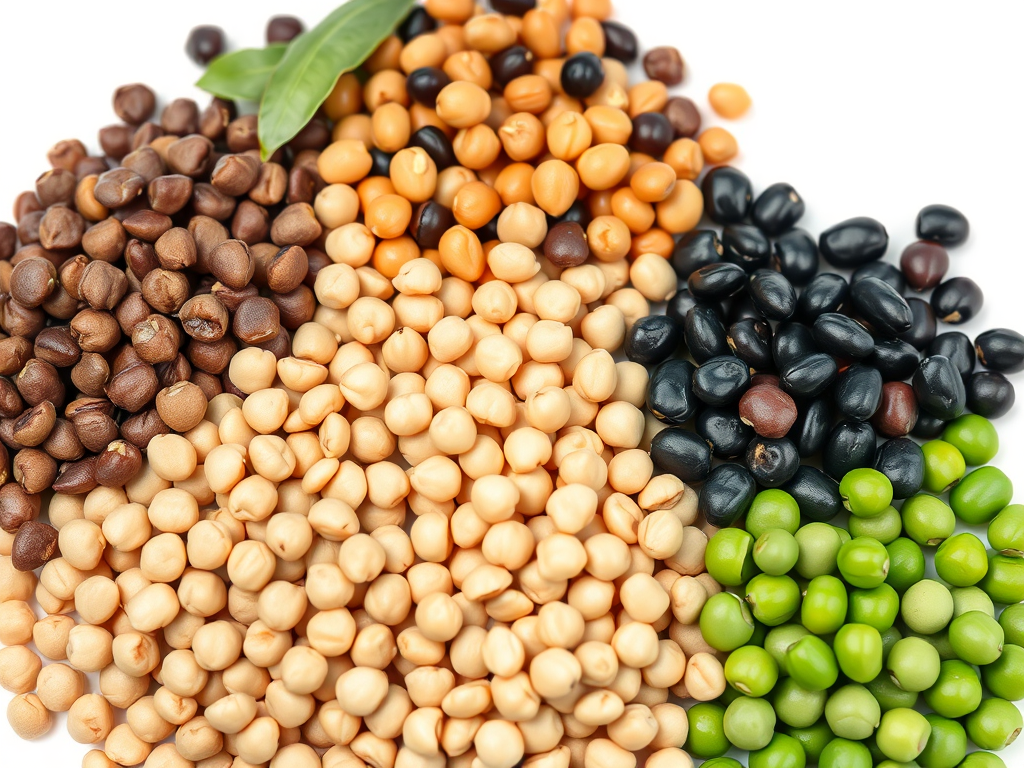
3. Legumes — The Budget‑Friendly Powerhouse
Beans and lentils pack protein, fiber, and minerals. They support digestion, blood sugar, and long-term weight management. Why it matters: affordable, filling, and perfect for meal prep.
Easy uses: chili, soups, dips, or even baked into brownies.
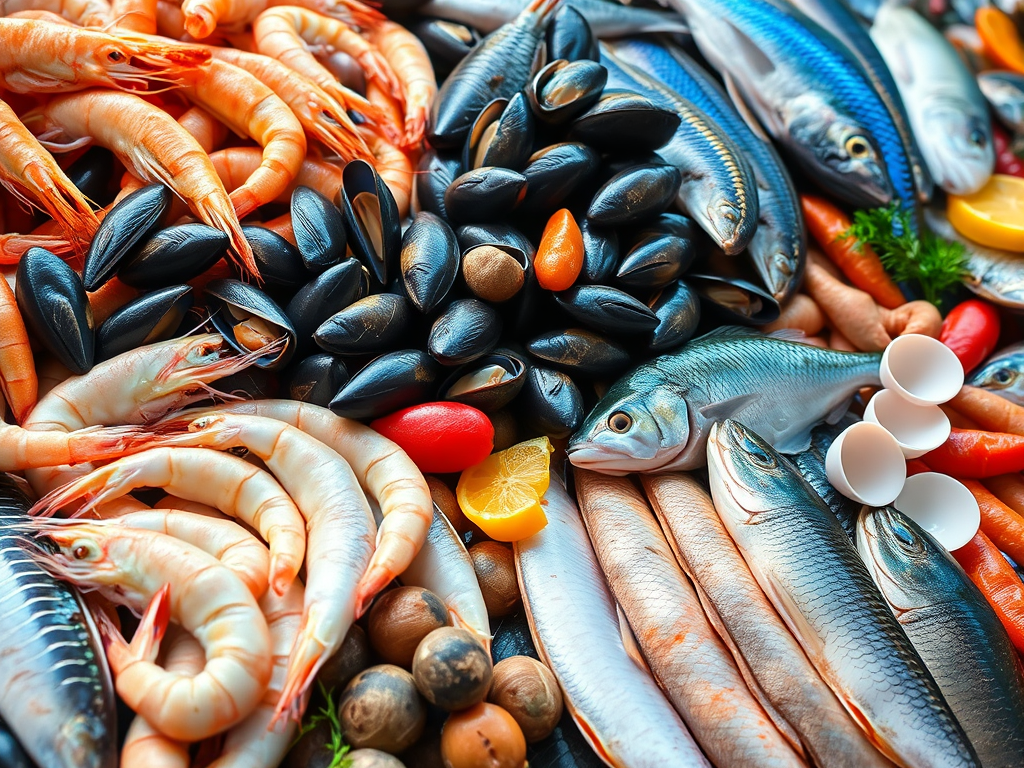
4. Seafood — The Omega‑3 Satiety Weapon
Fish like salmon, sardines, and trout provide protein and healthy fats that regulate hunger hormones. Why it matters: supports metabolism, brain health, and inflammation control.
Easy uses: baked fillets, canned tuna, or smoked salmon on crackers.
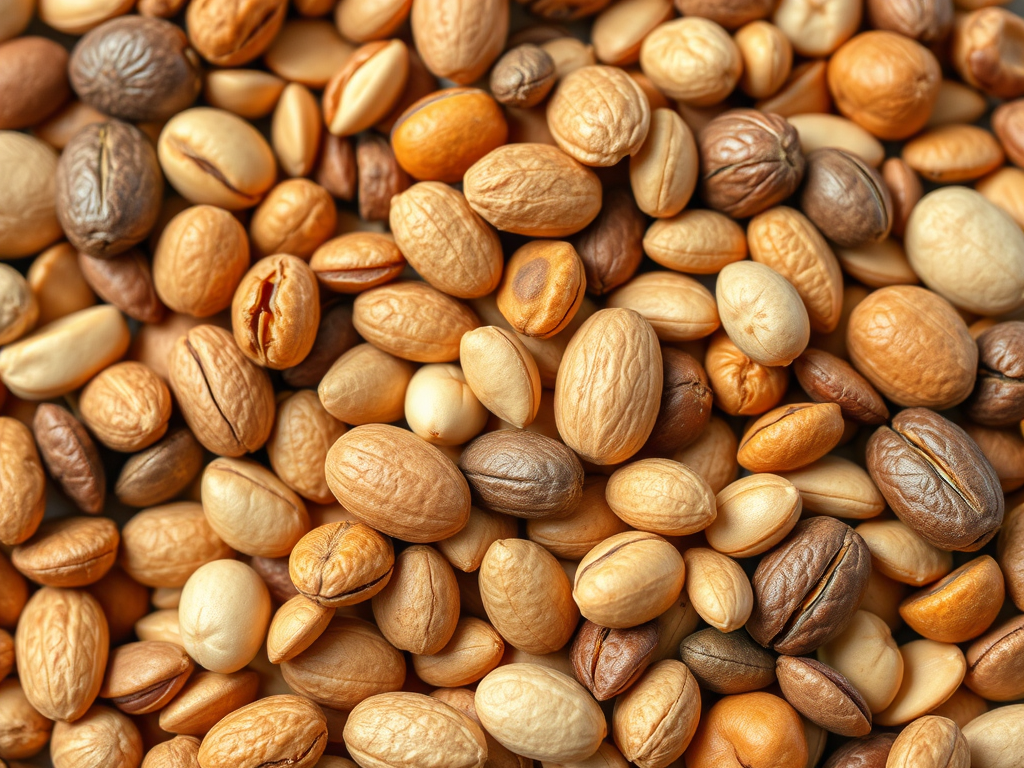
5. Nuts & Seeds — Small but Mighty
A handful of nuts or seeds delivers protein, fiber, and healthy fats. Why it matters: portable, calorie-efficient, and ideal for on‑the‑go veterans.
Easy uses: trail mix, nut butters, or sprinkled on yogurt.
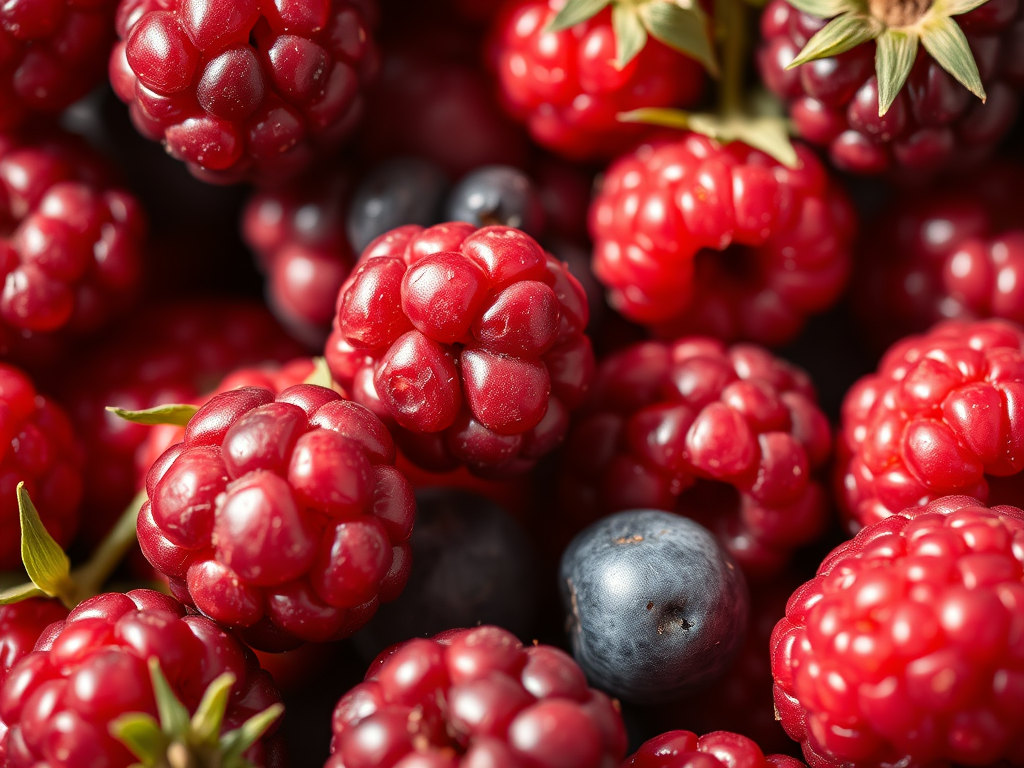
6. Berries — The Low‑Sugar Sweet Fix
Berries offer antioxidants and fiber that slow digestion and reduce cravings. Why it matters: satisfies the sweet tooth without sabotaging goals.
Easy uses: oatmeal, smoothies, yogurt bowls, or frozen as a snack.
7. Okra — The Underrated Hunger Controller
Okra is low-calorie, high-fiber, and excellent for digestion and blood sugar balance. Why it matters: keeps you full longer with minimal calories.
Easy uses: roasted, sautéed, air‑fried, or added to stews.

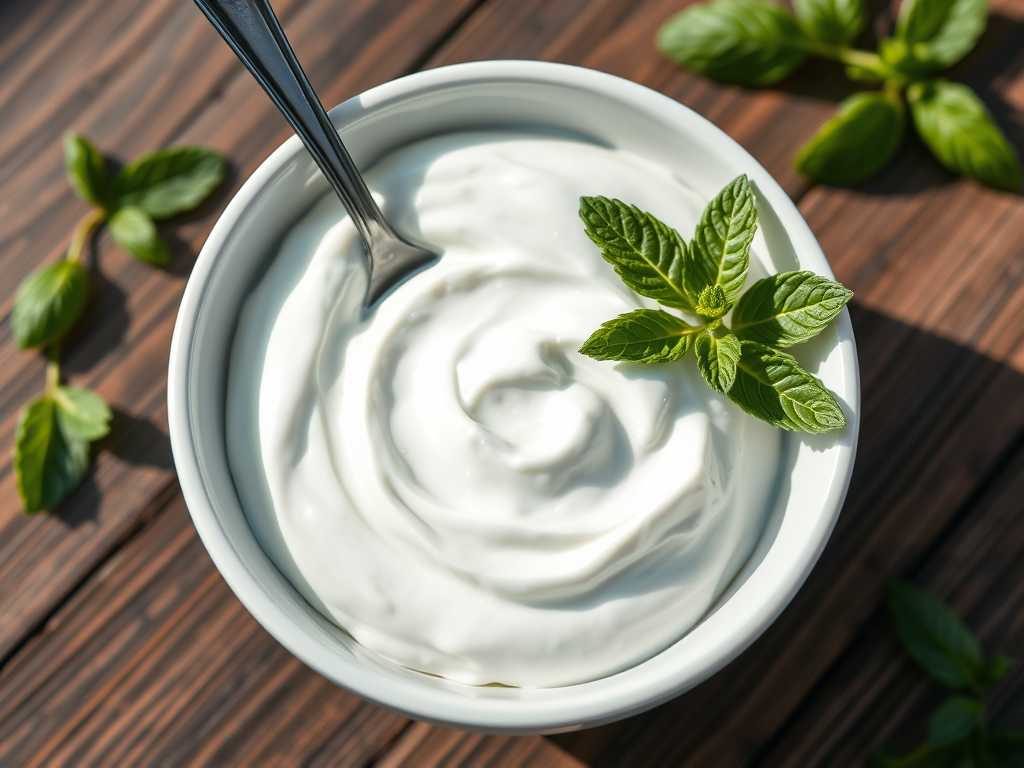
8. Greek Yogurt — The High‑Protein Workhorse
Thick, creamy, and packed with protein, Greek yogurt helps reduce appetite and support muscle maintenance. Why it matters: great for rebuilding strength and staying full.
Easy uses: yogurt bowls, parfaits, or as a sour‑cream replacement.
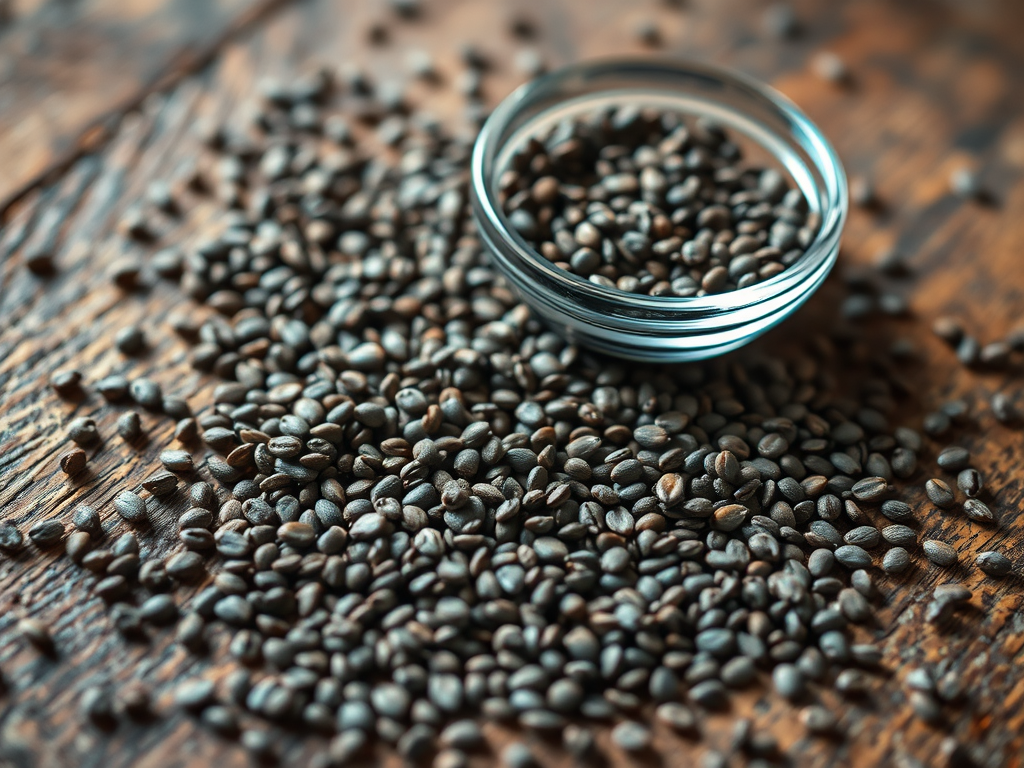
9. Chia Seeds — The Hydration‑Boosting Filler
Chia seeds absorb liquid and expand, creating a gel that keeps you full for hours. Why it matters: supports digestion, hydration, and steady energy.
Easy uses: chia pudding, smoothies, or mixed into oats.
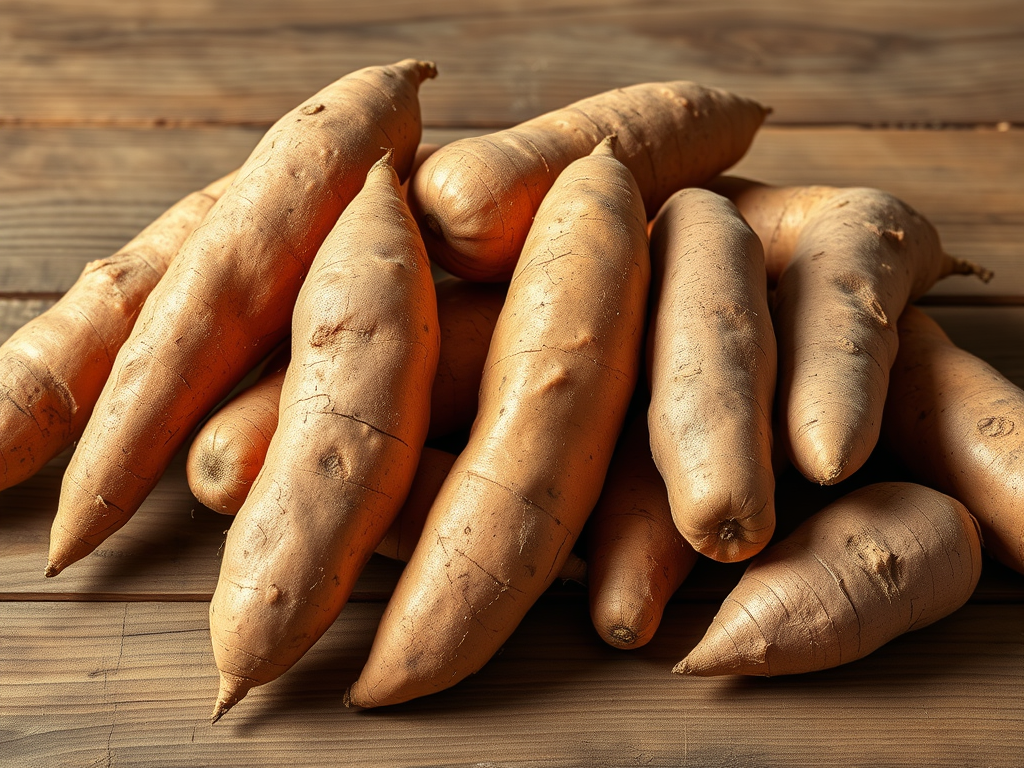
10. Sweet Potatoes — The Clean Carb
Sweet potatoes provide complex carbs and fiber that stabilize blood sugar and prevent cravings. Why it matters: ideal for veterans rebuilding fitness or managing weight.
Easy uses: baked, roasted, mashed, or used as toast.
The Veteran Takeaway
Hunger isn’t the enemy. It’s a signal—one that becomes easier to understand when you fuel your body with foods that work with you, not against you.
Stress, poor sleep, and inconsistent eating patterns can amplify cravings. But incorporating these hunger‑fighting ingredients gives you a tactical advantage:
- better energy
- fewer cravings
- improved discipline
- sustainable weight control
- a stronger mind‑body connection
This isn’t about dieting. It’s about operational readiness for everyday life.





 VeteranJaime
Leave a comment