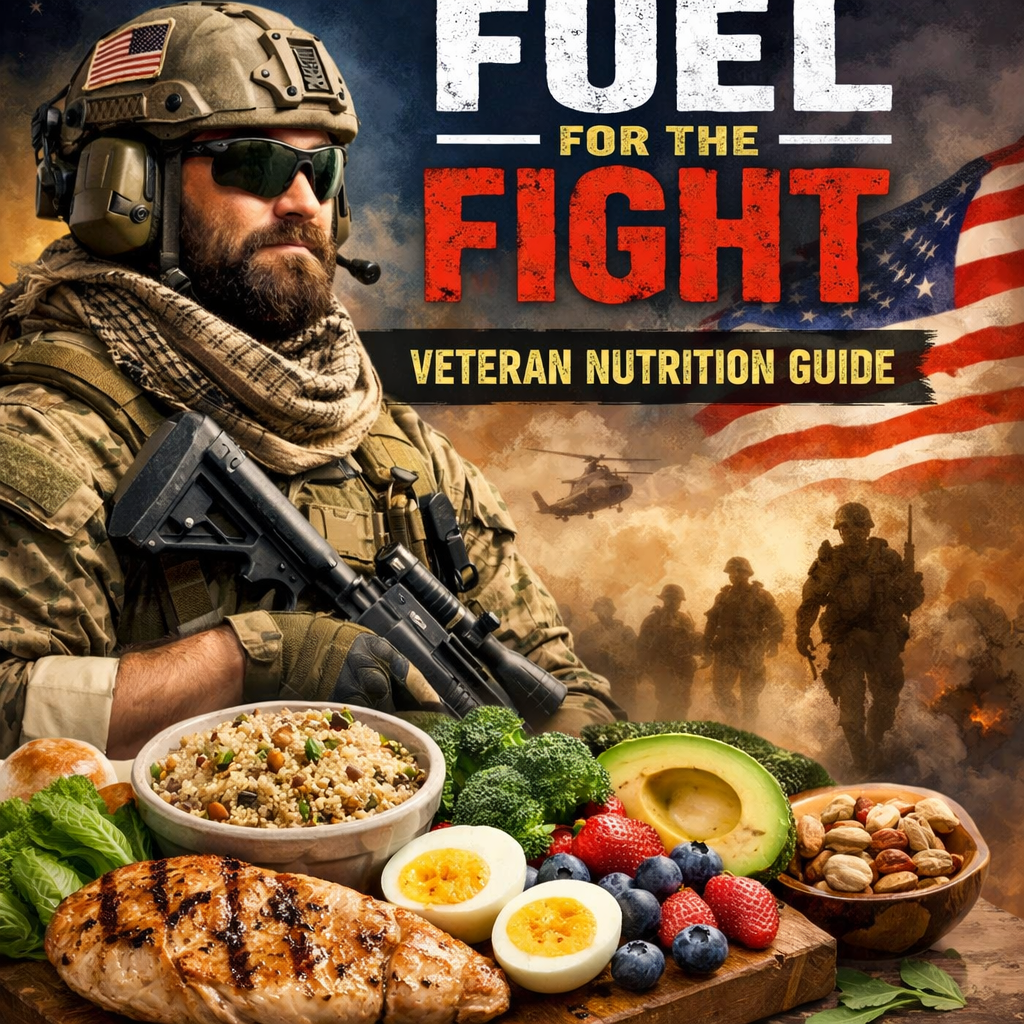
Veterans carry a lifetime of discipline, sacrifice, and resilience in their bones. Years of service — whether spent under a ruck, inside a motor pool, on a flight line, or deployed in unpredictable environments — leave a lasting imprint on the body and mind. Nutrition becomes more than a lifestyle choice; it becomes a form of maintenance, recovery, and readiness. This article is designed to help veterans reconnect with their health through simple, sustainable, and mission‑focused nutrition strategies that support strength, energy, and long‑term wellness.
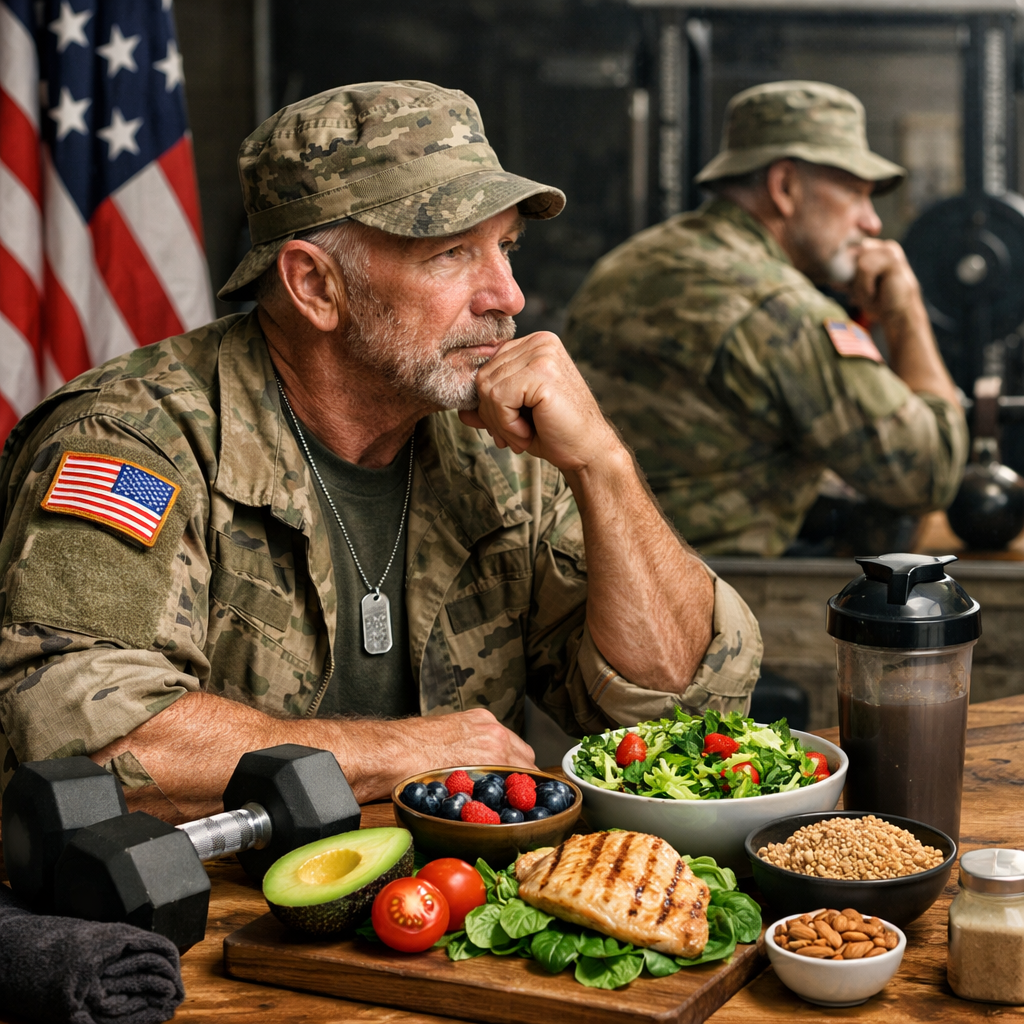
The Veteran Body: Built by Experience, Shaped by Stress
Military life demands a level of physical and mental output that most civilians never experience. Long nights, irregular meals, high‑stress environments, and physically demanding tasks create patterns that follow many veterans into civilian life. It’s common to deal with chronic inflammation, joint discomfort, disrupted sleep, fluctuating weight, low energy, or digestive issues. While nutrition cannot erase every challenge, it can dramatically improve how the body recovers, how the mind functions, and how the spirit feels day to day. Food becomes fuel, medicine, and maintenance — all at once.
Building the Warrior’s Plate
A veteran‑friendly approach to nutrition doesn’t require complicated rules or restrictive diets. It starts with a simple principle: build each meal around real, whole foods that support strength and recovery. Prioritizing protein at each meal helps repair muscle tissue, stabilize energy, and keep hunger under control. Lean meats, eggs, fish, Greek yogurt, cottage cheese, beans, and lentils all serve as reliable anchors for a balanced plate.
Colorful fruits and vegetables add another layer of support by reducing inflammation and supplying the vitamins and minerals the body needs to function at its best. Berries, leafy greens, cruciferous vegetables, sweet potatoes, and peppers are excellent choices that fit easily into everyday meals.
Carbohydrates — often misunderstood — are essential for energy, especially for veterans who train, stay active, or simply want to maintain steady focus throughout the day. Rice, oats, potatoes, quinoa, and whole‑grain breads provide clean, reliable fuel without the crash associated with processed foods.
Healthy fats round out the plate by supporting hormones, brain function, and joint health. Olive oil, avocados, nuts, seeds, and fatty fish offer powerful benefits that many veterans overlook.
And then there’s hydration — a simple but often neglected part of wellness. Many veterans walk around dehydrated without realizing it. Drinking water consistently throughout the day can improve energy, digestion, and even mood.
Discipline Meets Simplicity
One of the greatest strengths veterans possess is the ability to follow a system. Nutrition becomes far easier when it’s built around repeatable habits rather than strict rules. Eating three solid meals a day, prepping food once or twice a week, keeping quick options on hand, and avoiding the “skip all day, eat everything at night” pattern can transform energy levels and recovery. Even small adjustments — like reducing alcohol intake or adding a short walk after a meal — create meaningful improvements over time.
A Practical 7‑Day Reset
For veterans who want a simple way to get back on track, a one‑week reset can be a powerful starting point. The goal isn’t perfection; it’s consistency. Focus on eating balanced meals, incorporating fruits and vegetables daily, drinking enough water, and adding a short walk to support digestion and stress reduction. Track how you feel — not just your weight — and pay attention to changes in energy, sleep, and mood. These markers often reveal progress long before the mirror does.
Cooking Inspiration for Veterans
To make healthy eating more enjoyable, here are some YouTube videos included — a collection of practical, veteran‑friendly cooking content you can dive into:
Fueling the Warrior Within
Nutrition is one of the most accessible ways for veterans to reclaim their strength, sharpen their minds, and restore their sense of readiness. You don’t need a perfect diet — you need a purposeful one. Every meal becomes an opportunity to support the mission of living well, staying strong, and honoring the body that carried you through service and continues to carry you through life.
Eat like someone who still has missions to accomplish. Because you do.





 VeteranJaime
Leave a comment