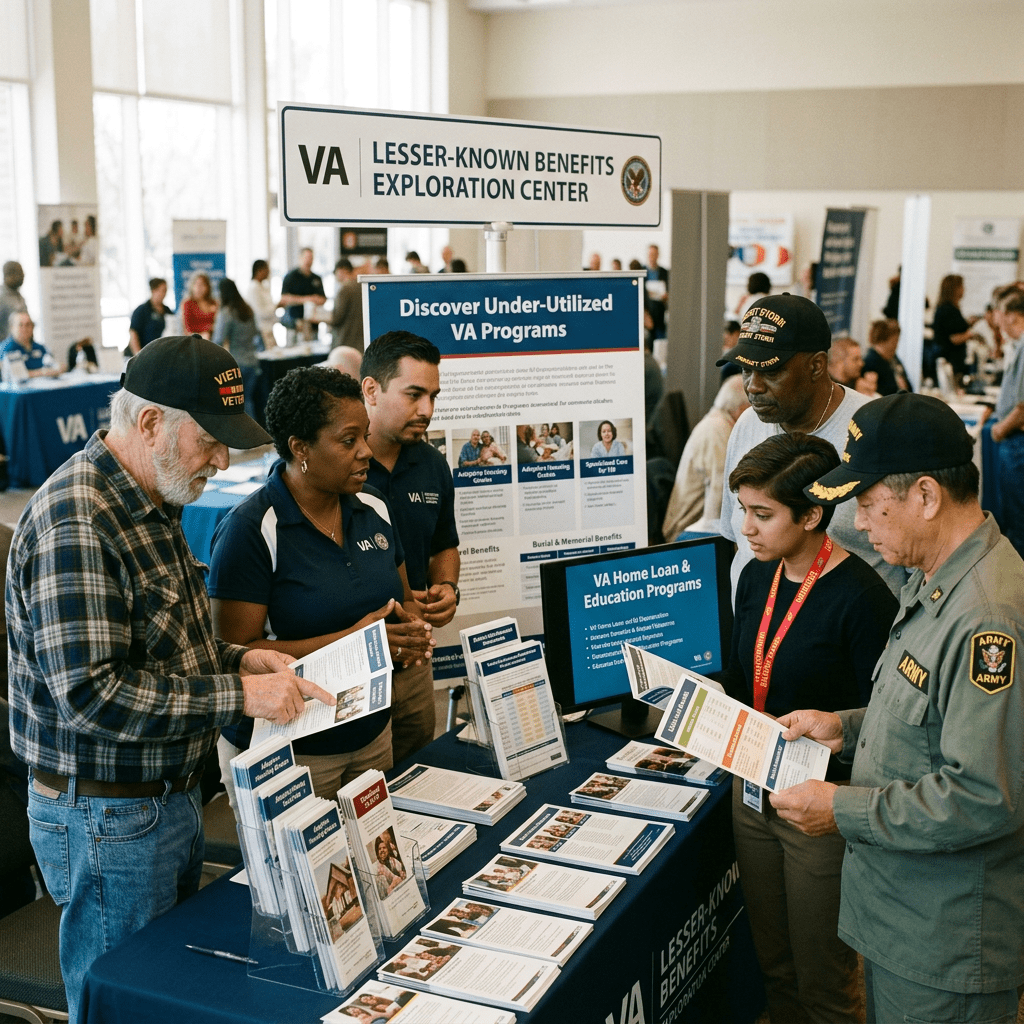
Most veterans can list the major VA benefits in their sleep: VA disability compensation, VA healthcare, and education programs like the GI Bill. But as the video from Veterans InfoTap highlights, there are other benefits — powerful ones — that many veterans never learn about or mistakenly assume they don’t qualify for .
The truth is simple: If you served, you earned these benefits — and you should know how to use them.
Below are five lesser‑known VA benefits that can make a real difference for veterans and their families.
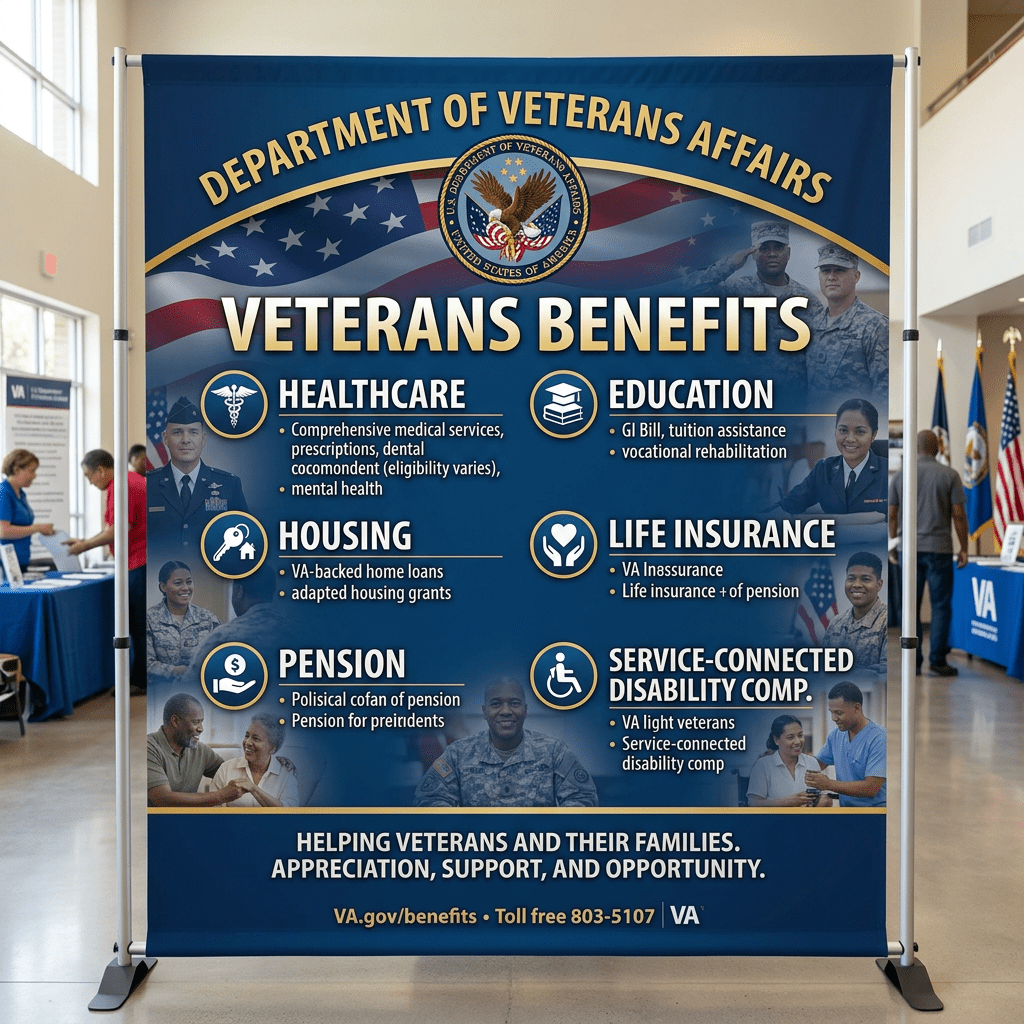
1. Aid & Attendance (A&A)
Aid & Attendance is an additional financial benefit for veterans or surviving spouses who need help with daily activities such as bathing, dressing, or eating. It can also apply to veterans who are housebound due to disability .
Why it matters: A&A can significantly offset long‑term care costs — yet it often goes unclaimed simply because veterans don’t know it exists.
Analyst Assessment: This benefit is one of the most underutilized tools for aging veterans. Veterans should work with accredited state or county VSOs who do not charge or take back pay to file correctly.
2. VA Burial & Memorial Benefits
The VA provides more than healthcare during a veteran’s lifetime. Eligible veterans may receive:
- A gravesite in a national cemetery
- A government headstone or marker
- A burial flag
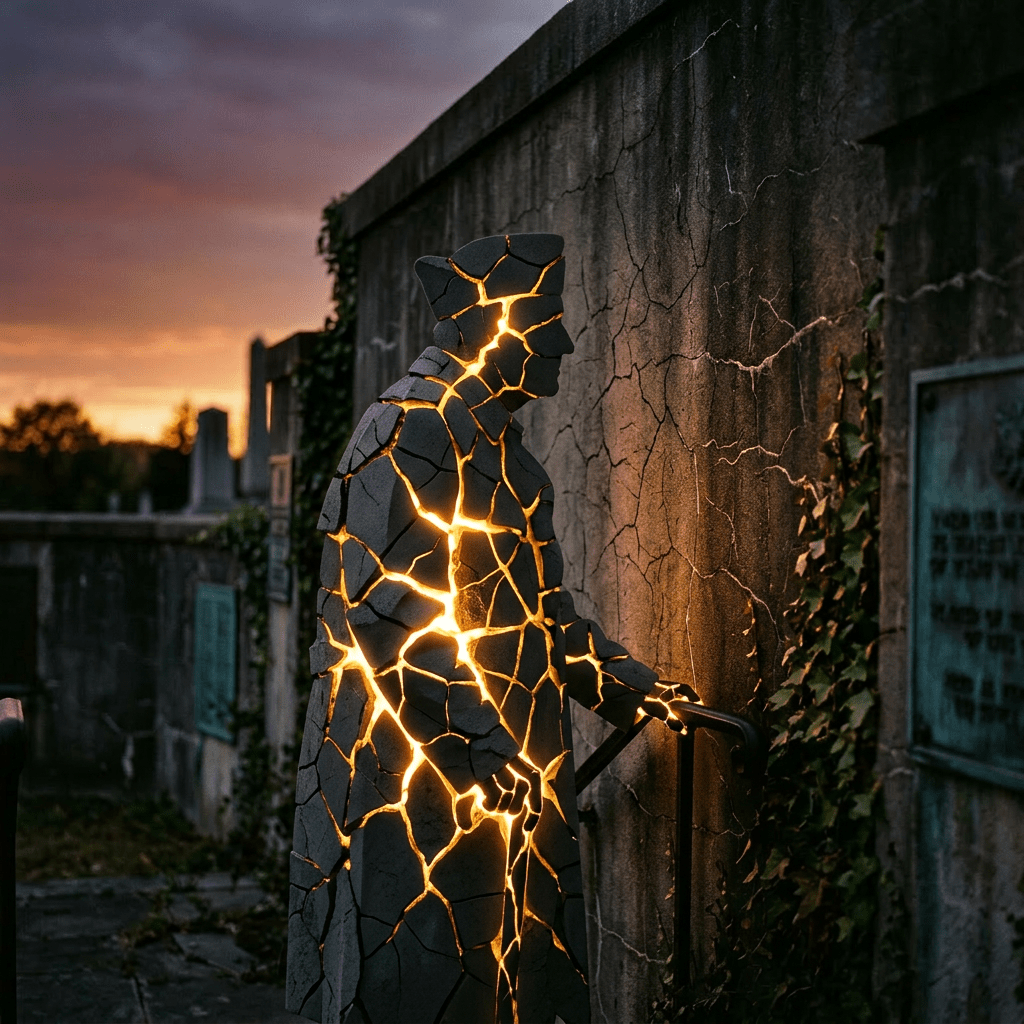
- A Presidential Memorial Certificate (PMC) — available even for veterans who passed away decades ago
State veteran cemeteries also mirror the look and feel of federal cemeteries and help fill geographic gaps.
Analyst Assessment: Families often discover these benefits after paying out‑of‑pocket. Veterans should document their eligibility early and ensure family members know how to request PMCs and burial honors.
3. Veteran Readiness & Employment (VR&E)
Formerly known as Vocational Rehabilitation & Employment, VR&E helps veterans with service‑connected disabilities prepare for, find, and maintain meaningful employment. Services include:
- Career counseling
- Job training
- Resume development
- Support for starting a small business
- Independent Living Track for veterans unable to return to work
VR&E can also pay for higher education — including bachelor’s and master’s degrees — and provides a subsistence allowance while enrolled.
Power Tip: If you have even one day of Post‑9/11 GI Bill remaining, VR&E can mirror the GI Bill housing allowance, which is often significantly higher than the standard VR&E stipend .
Analyst Assessment: VR&E is one of the most transformative benefits for transitioning veterans. It is chronically underused due to confusion about eligibility and program scope.
4. VA Home Loan Funding Fee Waiver
The VA home loan is widely known — but many veterans don’t realize that if they have any compensable service‑connected disability, the VA funding fee is waived.
This fee can exceed $10,000 depending on the loan amount and down payment. Veterans with ratings as low as 10% for tinnitus qualify for the exemption .
Analyst Assessment: This waiver is a massive financial advantage. Veterans should always verify their disability rating status before closing on a home.
5. Free or Discounted Access to Recreation
Disabled veterans can access:
- Military bases (MWR facilities, commissary, gym, gas stations)
- National parks and federal recreational lands
- State-level discounts for hunting, fishing, camping, and more
The Department of Defense opened base access to disabled veterans several years ago, and the VA/Department of Interior partnership provides free or reduced-cost outdoor access.
Analyst Assessment: Outdoor recreation is a proven contributor to mental health, physical fitness, and community connection. Veterans should check both federal and state benefits, especially after receiving a new disability rating.
Final Thoughts
The VA system can feel overwhelming — and benefits that aren’t well advertised often go unused. Staying informed, asking questions, and working with accredited representatives can unlock resources that improve daily life and long‑term security.
As Veterans InfoTap reminds us: If we don’t take care of each other, something went wrong.



 VeteranJaime
Leave a comment