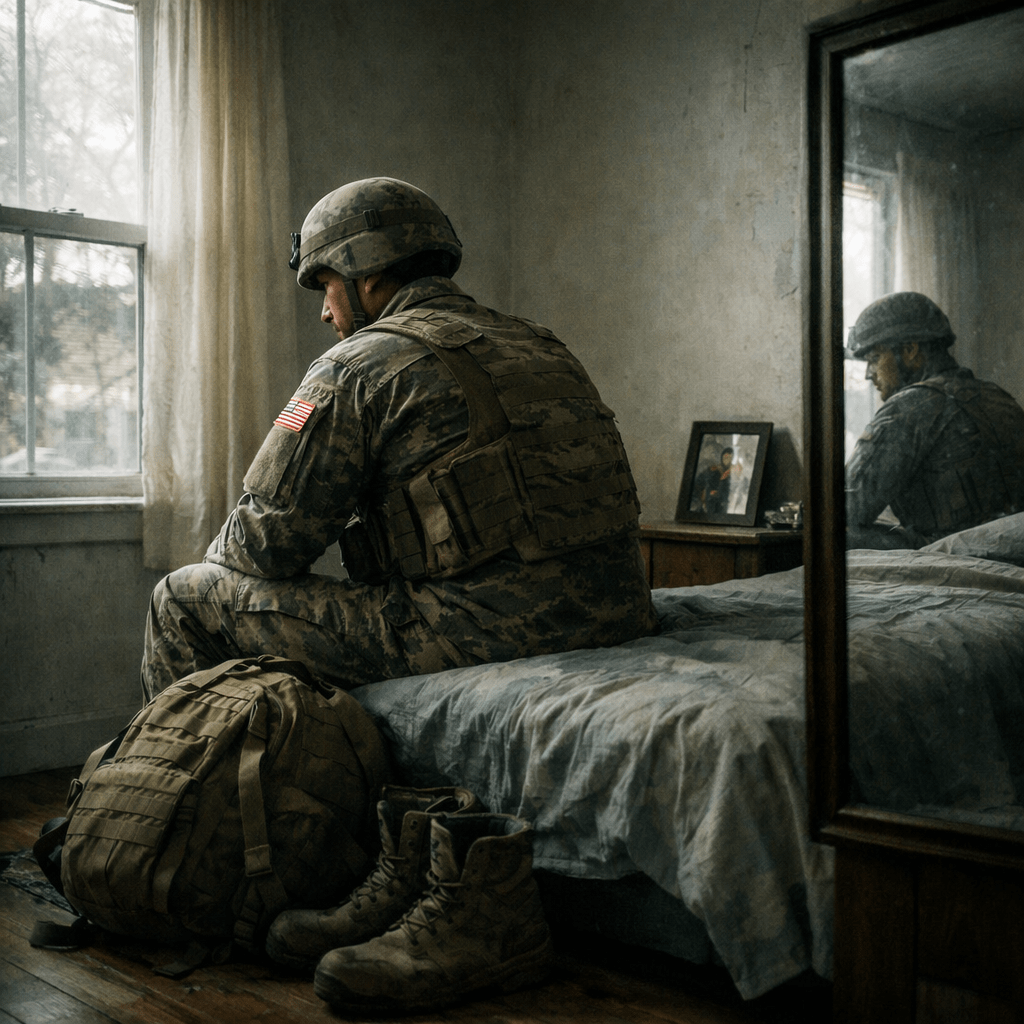
The Quiet After the Noise
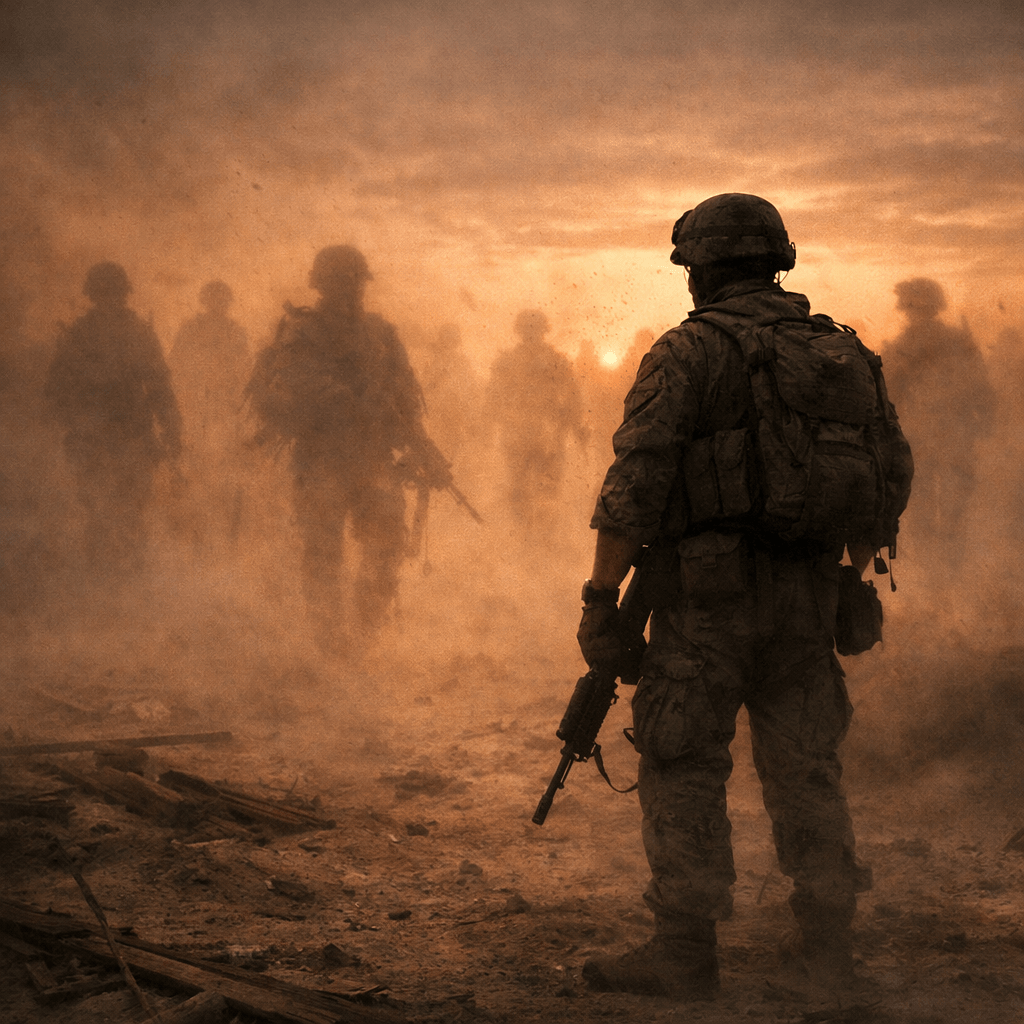
There is a moment every warrior knows, though few talk about it. It comes after the deployment ends, after the gear is turned in, after the final salute. It comes when the plane lands, when the uniform is hung, when the world around you looks familiar but feels foreign. It comes when the noise stops.
Not peace. Not relief. Just quiet.
The kind of quiet that feels too open, too unstructured, too unguarded. The kind of quiet that makes the body tense instead of relaxed. The kind of quiet that reveals how loud the inside of your mind has become.
This is where the Aftermath begins.
Most people think the Aftermath is a time of rest. They imagine a Veteran stepping back into normal life, grateful to be home, ready to move on. But the Aftermath is not rest. It is a transition. It is disorientation. It is the slow realization that the war did not end when the deployment did.
The war simply changed location. It moved inward.
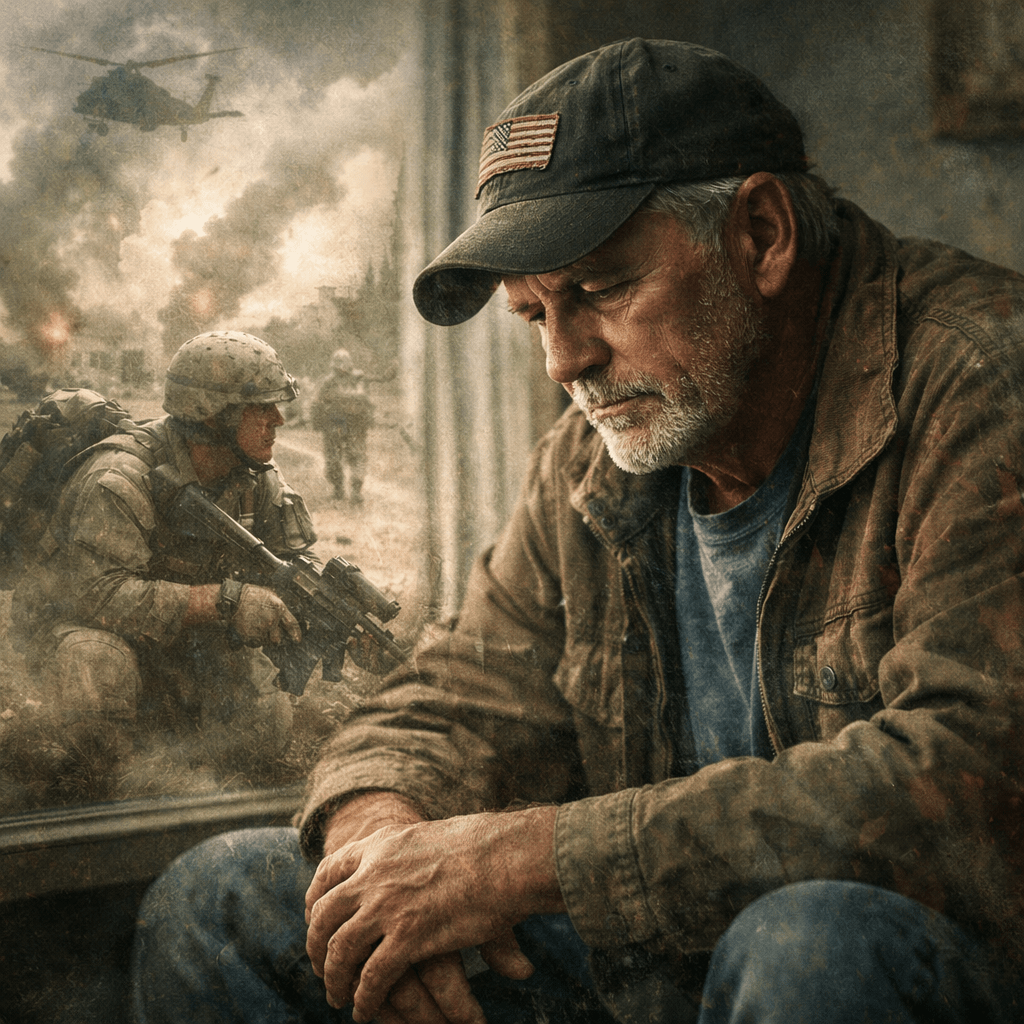
The Echo Beneath the Silence
For many Veterans, the first sign that something is different is subtle. A sudden alertness in a grocery store. A tightening in the chest when someone walks too close. A restless night without knowing why. A sense of scanning a room without consciously choosing to.
These moments are not dramatic. They are not cinematic. They are quiet, almost invisible to others. But to the warrior, they are unmistakable.
They are the Echo.
The Echo is the internal continuation of war – the lingering waves of memory, instinct, and reaction that persist long after the battlefield is gone. It is not a disorder. It is not a malfunction. It is the mind and body doing exactly what they were trained to do: protect you.
The Echo is the breath you hold without realizing it. The tension in your shoulders that never fully releases. The way your eyes track movement before your thoughts catch up. The way your heart jumps at a sudden noise. The way your mind replays moments you thought you had buried.
The Echo is not the enemy. It is the messenger.
The Disorientation of Coming Home
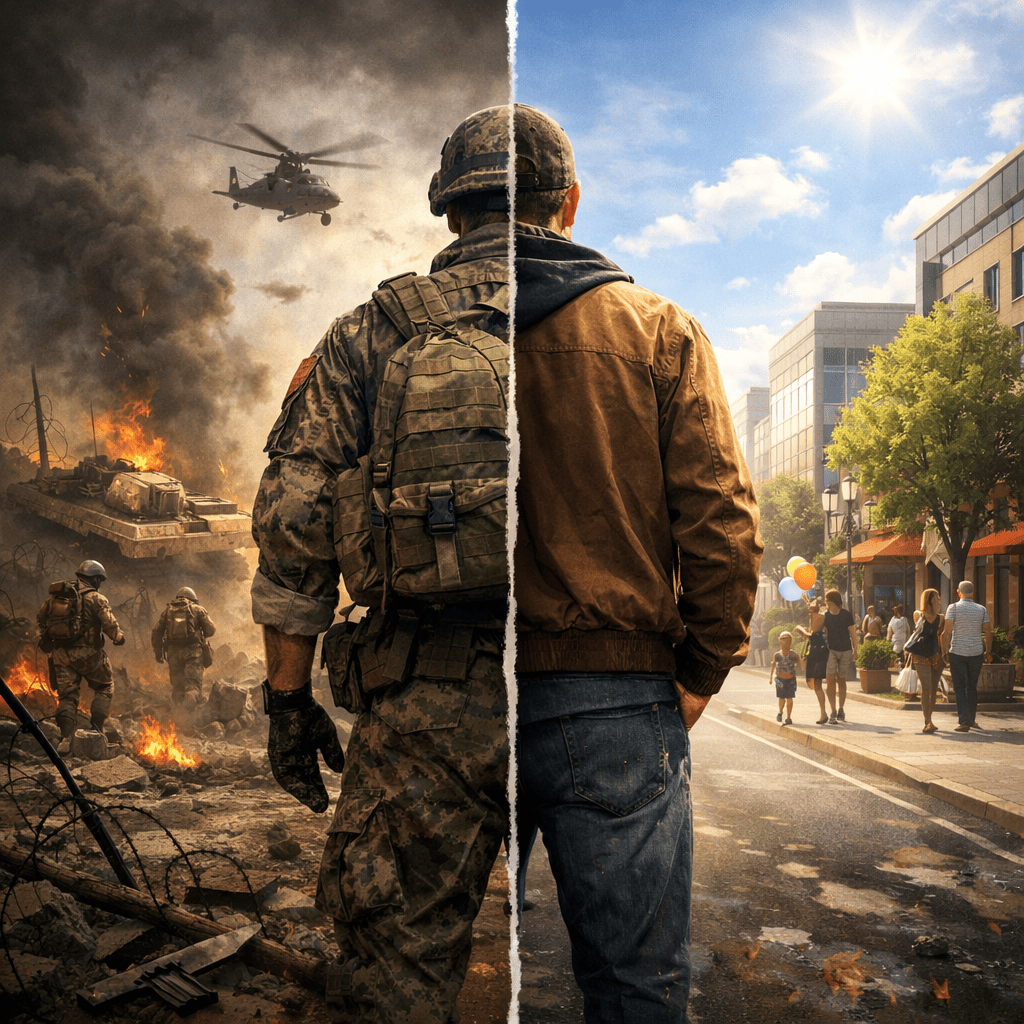
Coming home is often harder than going to war. In war, the rules are clear. The mission is defined. The tribe is present. The purpose is constant. In the civilian world, everything is ambiguous.
People move slowly. Conversations feel shallow. Problems seem trivial. Emotions feel unpredictable. The pace feels wrong – too fast in some ways, too slow in others.
You find yourself caught between two worlds:
- the world you left
- the world you returned to
And neither feels like home.
This disorientation is not a weakness. It is the natural result of living in two realities that do not match. The body remembers danger. The mind remembers structure. The heart remembers loss. The world around you remembers none of it.
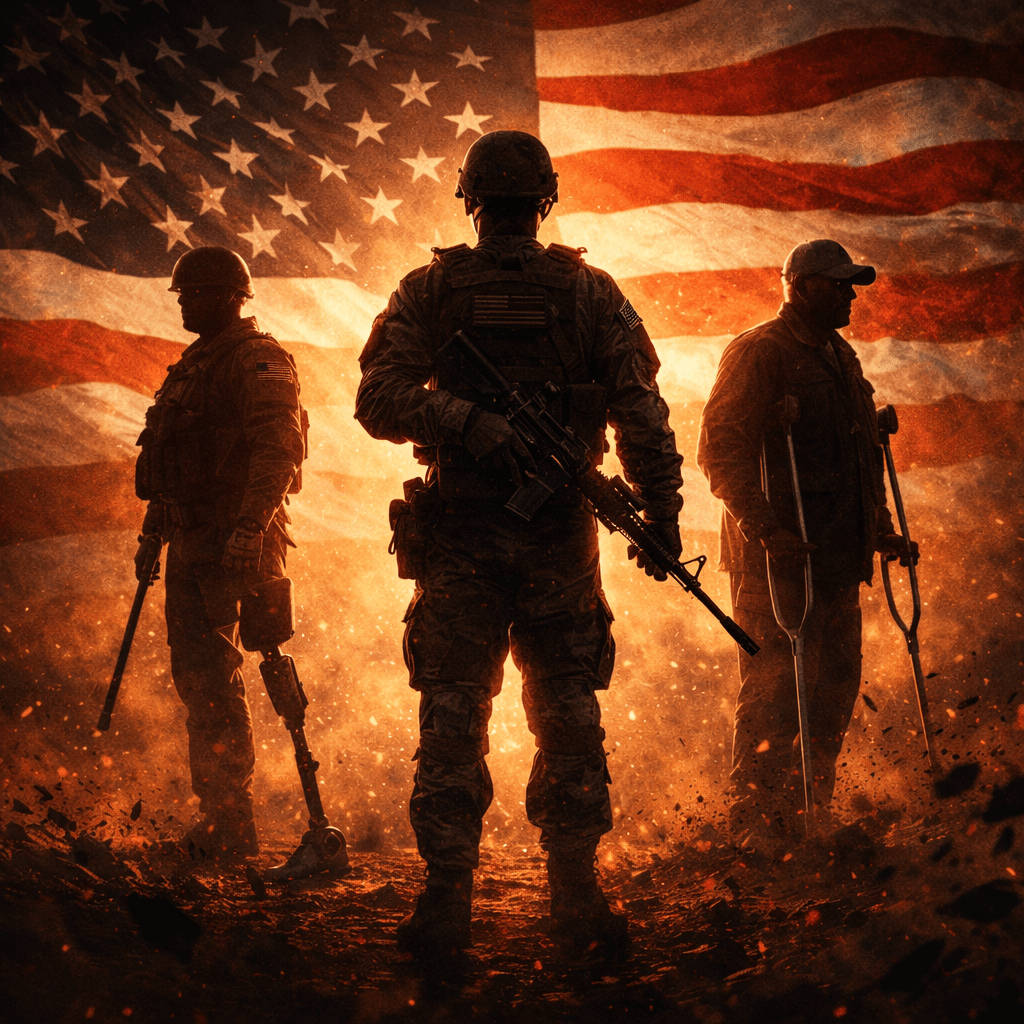
The Weight No Ones Sees
The Aftermath is heavy, but not in the ways people expect. It is not always nightmares or flashbacks. Often, it is the weight of things that have no name:
- the guilt of surving
- the grief of losing brothers and sisters
- the confusion of identity
- the restlessness of a body trained for danger
- the silence of a world that does not understand
- the pressure to “be okay”
- the fear of being misunderstood
- the instinct to hide the struggle
These weights accumulate quietly. They do not announce themselves. They simply settle into the bones, into the breath, into the spaces between thoughts.
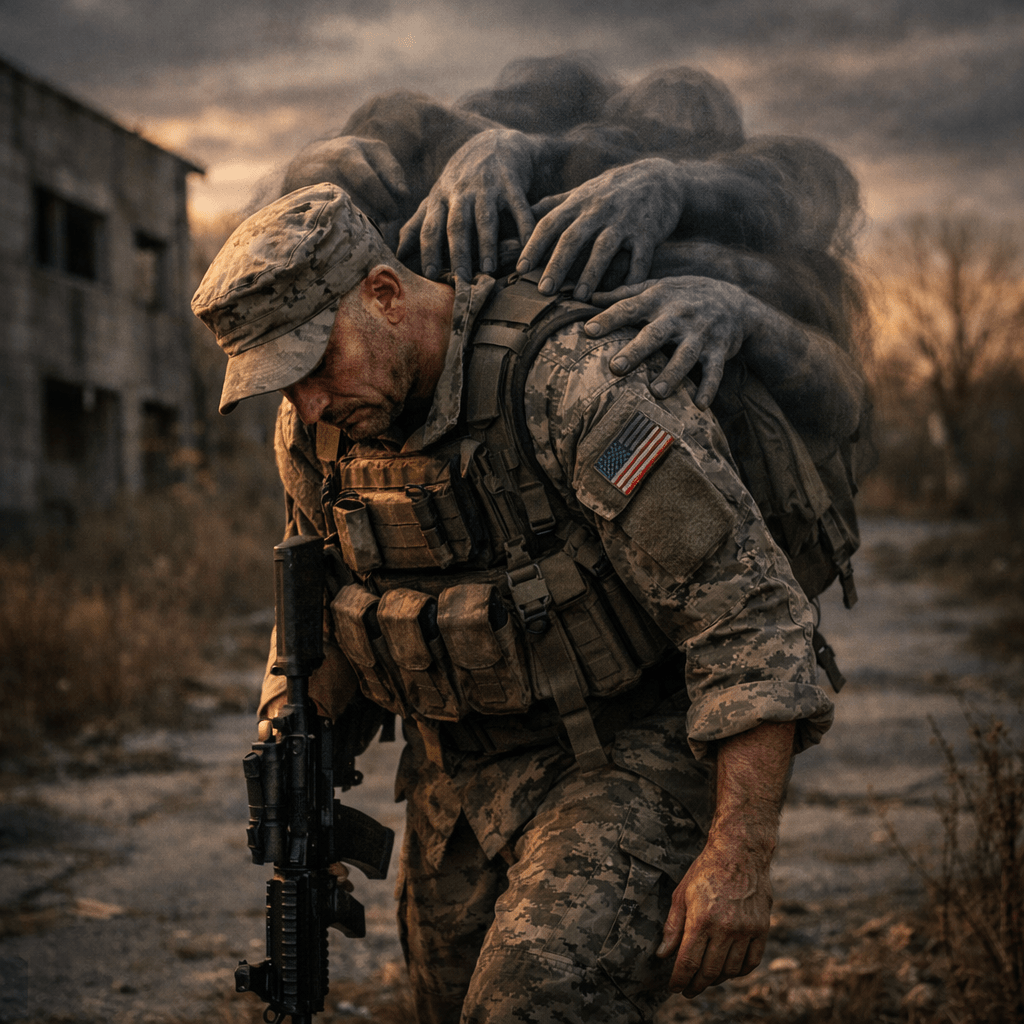
The Warrior’s Instinct to Endure
Warriors endure. It is what we do. We push through pain. We compartmentalize. We adapt. We keep moving. These instincts keep us alive in combat, but they complicate the Aftermath.
Because endurance can become avoidance. Strength can become silence. Discipline can become emotional distance. Self-reliance can become isolation.
The Aftermath requires a different kind of strength – one that is unfamiliar, uncomfortable, and often counterintuitive.
The Beginning of Yoha Zen
Yoha Zen begins in this quiet – the quiet after the noise, the quiet where the Echo speaks, the quiet where the warrior realizes that the battle has changed.
Yoha Zen does not ask the warrior to forget the past. It does not ask the warrior to suppress the Echo. It does not ask the warrior to become someone else.
It asks the warrior to listen. To understand. To integrate. To evolve.
The Aftermath is not the end of the warrior’s path. It is the beginning of a new one.
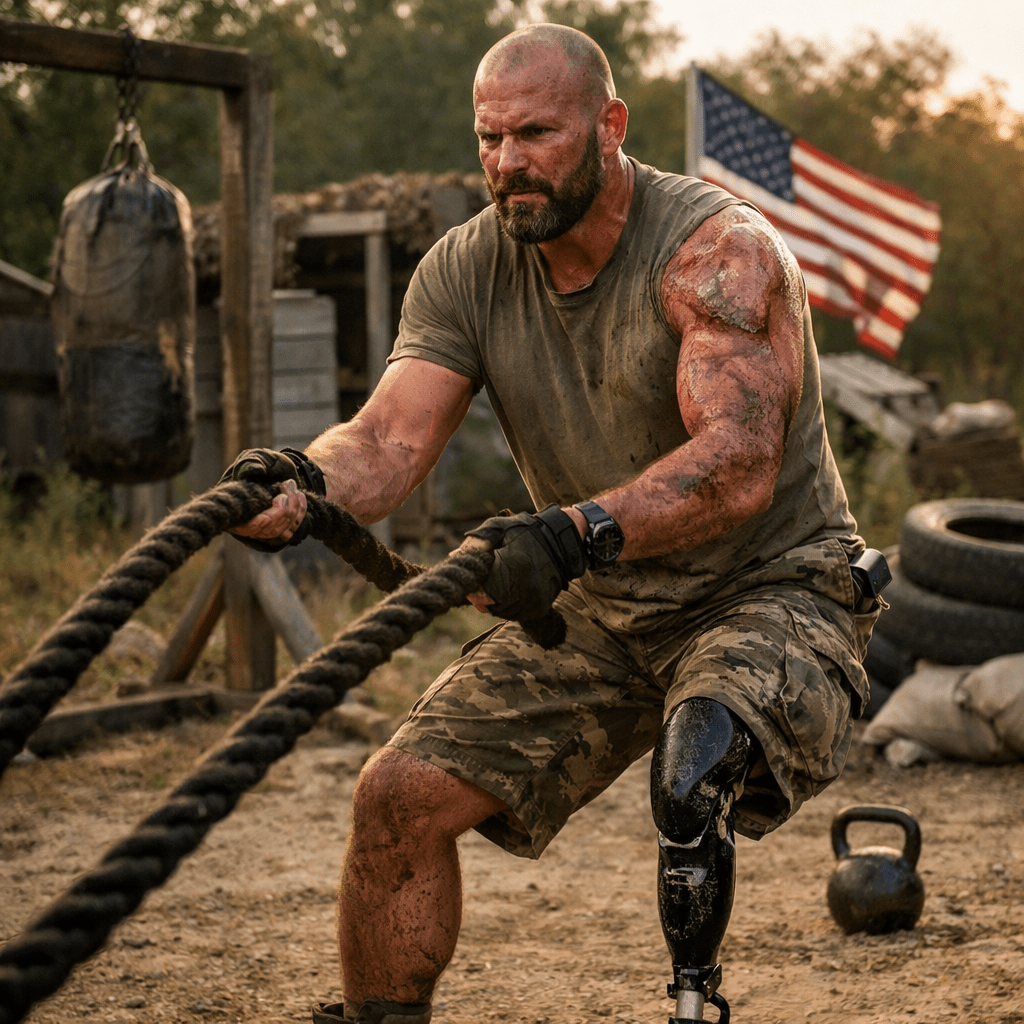
A path where strength is measured not by how much you can carry, but by how deeply you can understand yourself. A path where discipline is directed inward instead of outward. A path where the warrior learns to walk with the Echo instead of fighting it.
This is the path of Yoha Zen. This is the philosophy of the lingering waves. This is the way forward when the world grows quiet.




 VeteranJaime
Leave a comment