
The First Pillar of Yoha Zen
Acceptance is one of the hardest words for a warrior to face. Not because it is complicated, but because it feels like surrender. In the military, acceptance often means defeat – accepting a situation you cannot change, accepting a loss, accepting that something has gone wrong. Warriors are trained to resist, to push through, to overcome.
But in the aftermath, resistance becomes its own kind of prison.
Acceptance in Yoha Zen is not surrender. It is not giving up. It is not collapsing under the weight of what happened.
Acceptance is seeing clearly.
It is the courage to face the truth without distortion, without denial, and without the armor that once protected you but now keeps you from healing.
The Misunderstanding of Acceptance
Many veterans avoid acceptance because they believe it means:
- admitting weakness
- admitting failure
- admitting damage
- admitting that the war changed them
- admitting that they are not the same person they once were
But acceptance is none of these things.
Acceptance is the recognition that the war did change you, and that this change is not a flaw – it is a fact. It is the first step toward understanding the Echo instead of fighting it.
You cannot master what you refuse to acknowledge.

The Weight of What Remains Unspoken
The aftermath is full of things veterans rarely talk about:
- the guilt of surviving
- the guilt of leaving
- the guilt of not being able to save someone
- the grief that comes in waves
- the anger that has no target
- the numbness that feels safer than feeling
- the identity confusion that comes from losing a role that once defined you
These experiences do not disappear because you ignore them. They grow heavier. They tighten their grip. They shape your reactions, your relationships, your sleep, your sense of self.
Acceptance is the act of turning toward these experiences instead of away from them.
The Courage to Face Guilt
Guilt is one of the most common and least discussed burdens veterans carry. It comes in many forms:
- survivor’s guilt
- moral injury
- guilt over decisions made under pressure
- guilt for not being able to do more
- guilt for struggling after coming home
- guilt for feeling disconnected from loved ones
Acceptance does not erase guilt. It gives it shape.
When guilt is unspoken, it becomes a shadow. When guilt is acknowledged, it becomes a story – one that can be understood, integrated, and eventually transformed.
The Reality of Loss
Loss is woven into the fabric of military life. Some losses are obvious – the loss of friends, the loss of innocence, the loss of time. Others are subtle – the loss of identity, the loss of trust, the loss of simplicity, the loss of who you were before the war.
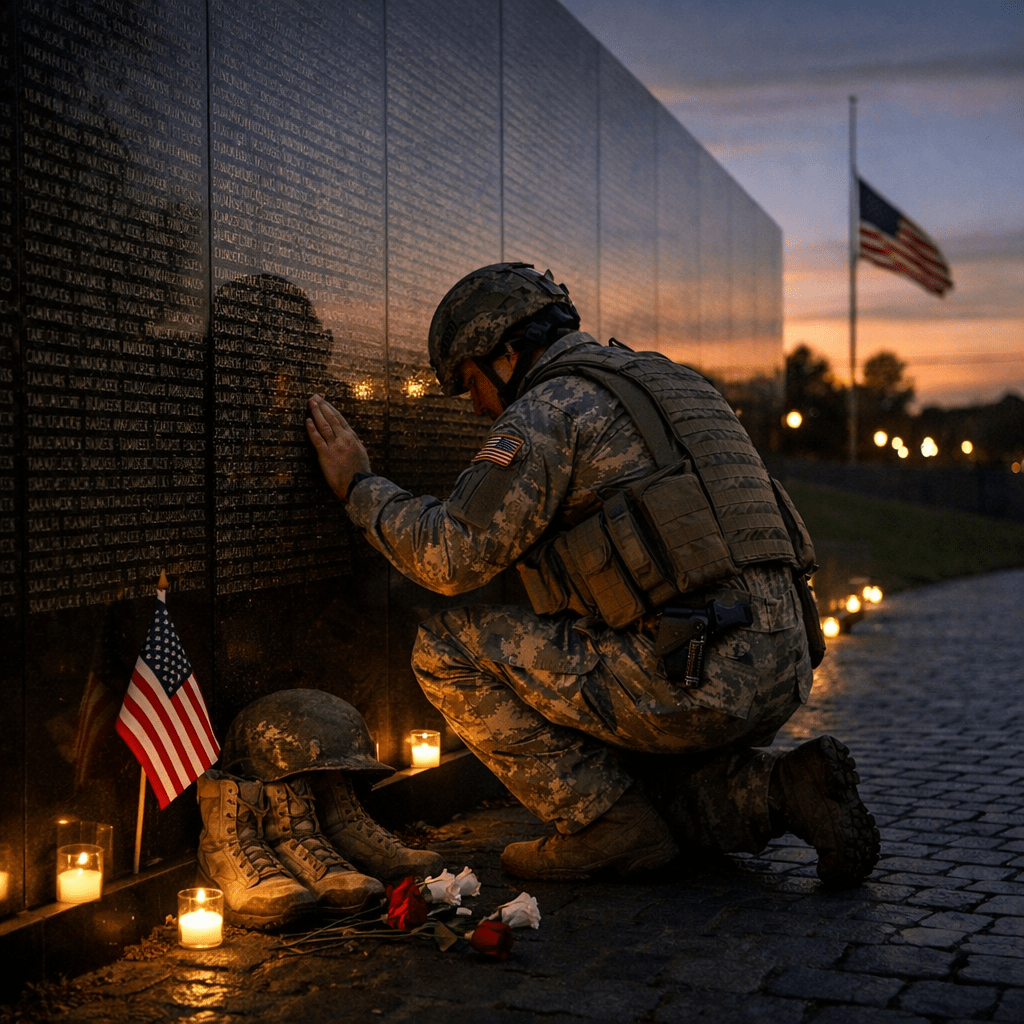
Acceptance means allowing yourself to feel the loss without letting it consume you.
Grief is not a sign of weakness. It is a sign of love, loyalty, and humanity.
The Identity Shift No One Warns You About
One of the most disorienting parts of the aftermath is the shift in identity. In uniform, you know exactly who you are. You have a mission, a role, a tribe. After service, that clarity dissolves.
You may find yourself asking:
- “Who am I now?”
- “Where do I belong?”
- “What is my purpose?”
- “What happened to the person I used to be?”
Acceptance means acknowledging that identity is not lost – it is in transition. You are not returning to who you were. You are becoming someone new.
The Struggle to Release the Battlefield Mindset
The battlefield mindset is powerful. It keeps you alive. It sharpens your senses. It gives you purpose. But after service, that same mindset can become a barrier.
You may find yourself:
- scanning every room
- sitting with your back to the wall
- reacting to loud noises
- distrusting calm
- feeling restless in peace
- missing the clarity of danger
Acceptance means recognizing that these instincts are learned, not permanent. They are not signs of brokenness. They are signs of adaptation.
You cannot release what you refuse to acknowledge.

A Veteran’s Reflection: The Moment of Acceptance Began
There was a moment – quiet, unremarkable, but unforgettable – when I realized I had been fighting myself more than anything else. I was trying to force myself to “be normal,” to “move on,” to “get over it”. But the harder I pushed, the worse I felt.
One day, I sat down and said out loud:
“This is happening. And it’s okay to acknowledge it.”
That moment didn’t fix everything. But it opened the door.
Acceptance was not the end of the struggle. It was the end of pretending.
Acceptance as the First Pillar
Acceptance is the foundation of Yoha Zen because nothing can change until it is seen clearly.
Acceptance means:
- acknowledging the Echo
- acknowledging the waves
- acknowledging the emotions
- acknowledging the identity shift
- acknowledging the struggle
- acknowledging the truth
Acceptance is not collapse. Acceptance is clarity.
The Practice of Acceptance
Yoha Zen teaches a simple but powerful practice:
Notice. Name. Allow.
- Notice what arises.
- Name it without judgement.
- Allow it to exist without resistance.
This practice retrains the mind to respond rather than react, to observe rather than suppress, to understand rather than fear.
The Warrior’s First Act of Courage
Acceptance is the first pillar because it is the first act of courage in the aftermath. It is the moment the warrior stops fighting the wrong battle and begins walking the right path.







 VeteranJaime
Leave a comment