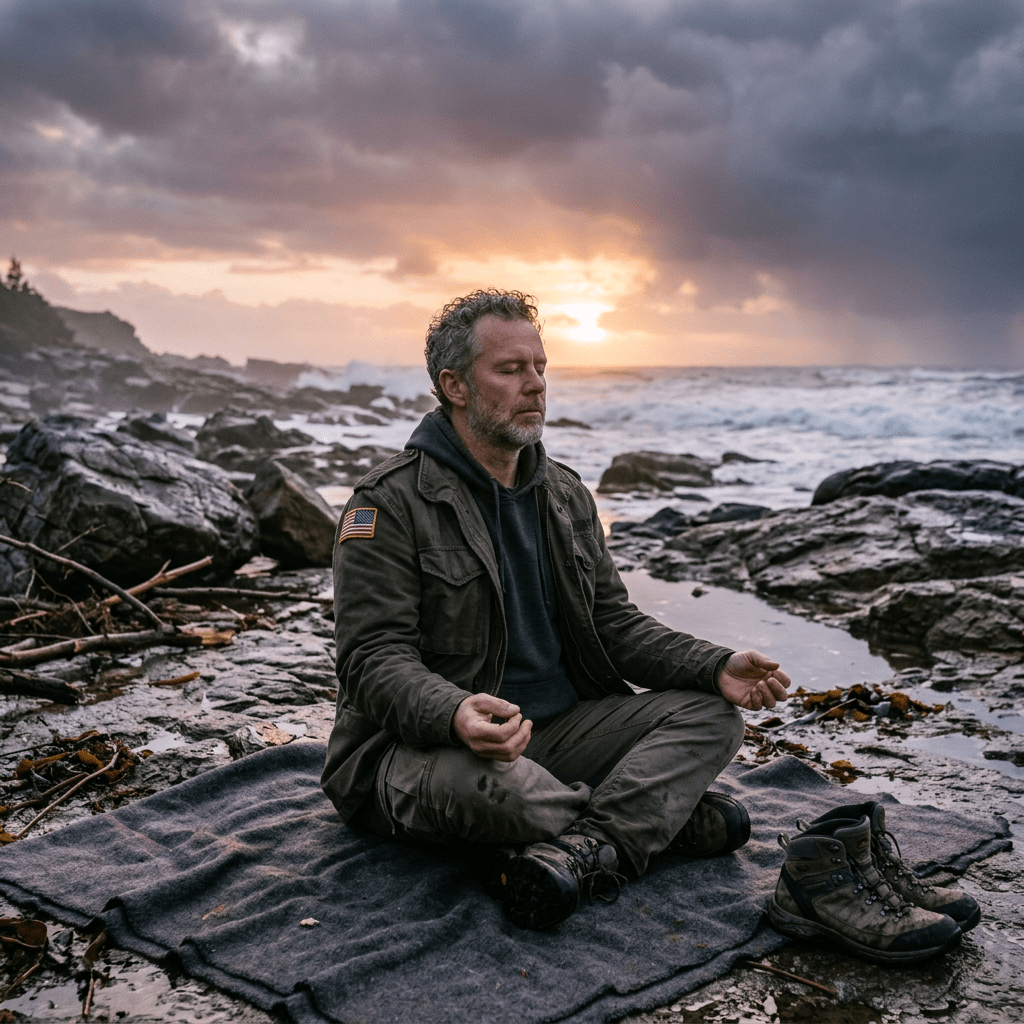
There is a kind of silence that warriors fear more than noise. Not the silence of peace, but the silence that comes after chaos — the silence where the Echo grows loud, where the mind races, where the body waits for something that never comes.
Stillness After the Storm is the first daily practice of Yoha Zen because it confronts the one thing most veterans avoid: being alone with themselves.
Stillness is not natural for a warrior. Stillness is not comfortable. Stillness is not easy.
But stillness is necessary.
Stillness is the moment the body stops running and the mind begins to speak. It is the moment the Echo rises not to torment you, but to be understood. It is the moment the warrior learns to sit with the aftermath instead of fighting it.
Why Stillness Feels Dangerous
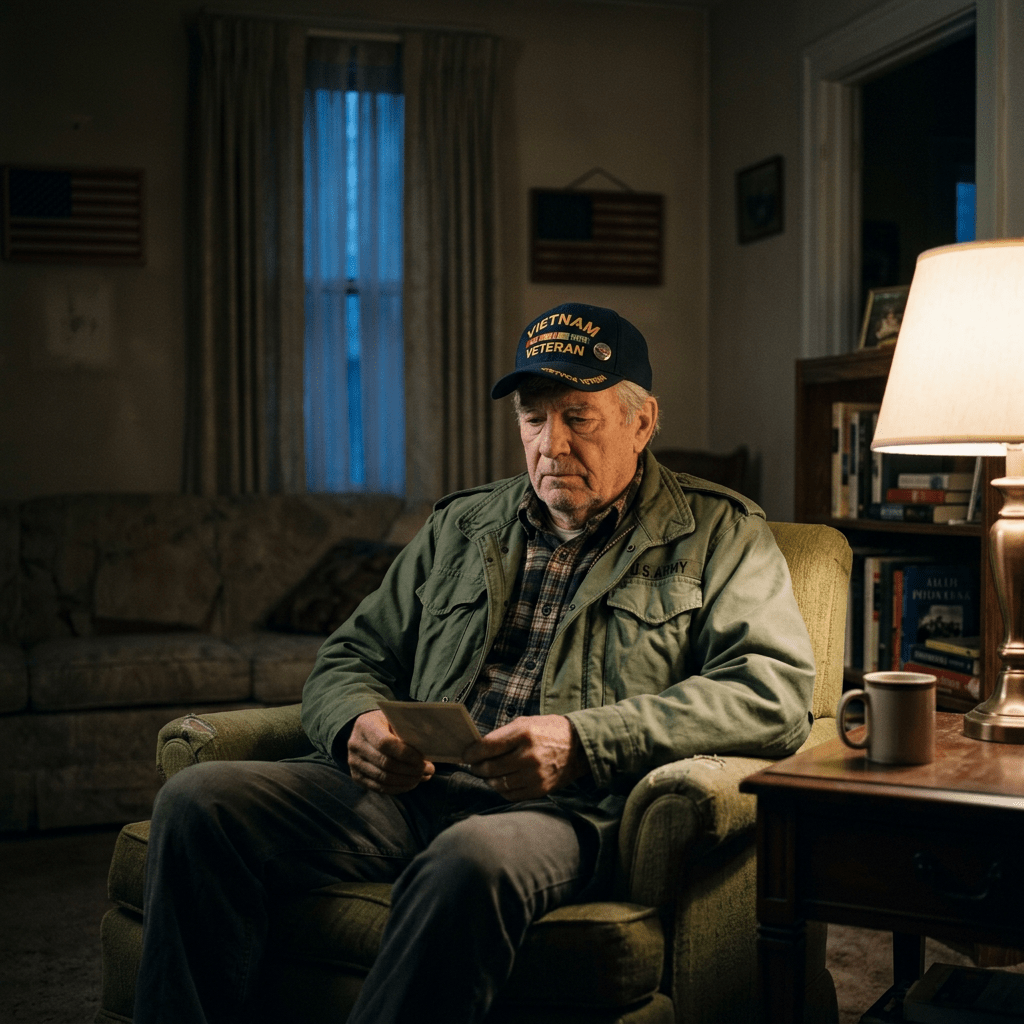
In combat, stillness can mean vulnerability. Stillness can mean exposure. Stillness can mean danger.
The body remembers this.
So when a veteran sits in silence, the nervous system often reacts:
- the heart rate increases
- the breath shortens
- the mind scans
- the Echo rises
- the body tenses
This is not failure. This is conditioning.
Stillness After the Storm is the practice of retraining the body to understand that stillness is no longer a threat.
The Purpose of Stillness
Stillness is not about achieving peace. Stillness is about creating space.
Space to breathe. Space to feel. Space to think. Space to understand. Space to let the Echo speak without overwhelming you.
Stillness is the warrior’s first step toward internal mastery.
The Physiology of Stillness
Stillness is not mystical. It is biological.
When you sit in intentional silence:
- the vagus nerve activates
- the fight‑or‑flight system begins to downshift
- the breath deepens
- the heart rate stabilizes
- the brain shifts from survival mode to presence
Stillness teaches the body that it is allowed to stand down.
The Practice of Stillness After the Storm
Yoha Zen keeps the practice simple and accessible.
1. Sit
Not rigid. Not slouched. Just grounded.
2. Breathe
Natural inhale. Unforced exhale. No patterns. No control. Just awareness.
3. Observe
Thoughts will come. Memories will rise. Emotions will surface.
Do not chase them. Do not fight them. Do not judge them.
4. Return
When the mind wanders — and it will — return to the breath.
Each return is a repetition. Each repetition is training.
5. Keep It Short
Start with one minute. Then two. Then five.
Consistency matters more than duration.
What Veterans Often Experience in Stillness
Many veterans report:
- restlessness
- racing thoughts
- emotional spikes
- memories surfacing
- discomfort in the body
- the urge to get up and move
These are not signs of failure. These are signs that the nervous system is recalibrating.
Stillness is not easy. Stillness is earned.
The Echo in Stillness
Stillness does not silence the Echo. Stillness reveals it.
In silence, the Echo becomes clearer:
- “This is fear.”
- “This is memory.”
- “This is tension.”
- “This is grief.”
Stillness gives the Echo space to speak — and space to settle.
A Veteran’s Reflection: The First Time Stillness Worked
There was a night when the Echo hit hard. No trigger. No warning. Just a sudden rush of tension and memory. My chest tightened. My mind raced. My body braced for danger that wasn’t there.
For years, I would have pushed through it or tried to ignore it. But that night, I tried something different. I sat down, closed my eyes, and breathed.
At first, nothing changed. Then something softened. Not peace — just a loosening. A breath that didn’t feel forced.
It wasn’t dramatic. It wasn’t profound. But it was real.
Stillness didn’t fix everything. But it gave me a foothold.
Stillness and Identity
Stillness helps veterans reconnect with parts of themselves that were buried under duty, trauma, and survival.
In silence, the warrior begins to rediscover:
- personal values
- forgotten interests
- emotional depth
- inner strength
- the civilian self
Stillness is the bridge between who you were and who you are becoming.
Stillness and Relationships
Stillness improves relationships because it teaches:
- patience
- emotional regulation
- presence
- listening
- empathy
When the mind is calm, connection becomes easier.
Stillness is not just for the warrior — it is for everyone the warrior loves.
Stillness as the First Daily Practice
Stillness After the Storm is the foundation of the daily practices because it creates the internal space needed for all the others.
Stillness is the ground. Stillness is the reset. Stillness is the beginning.







 VeteranJaime
Leave a comment