
How a bipartisan proposal may reshape disability and survivor compensation starting in 2026
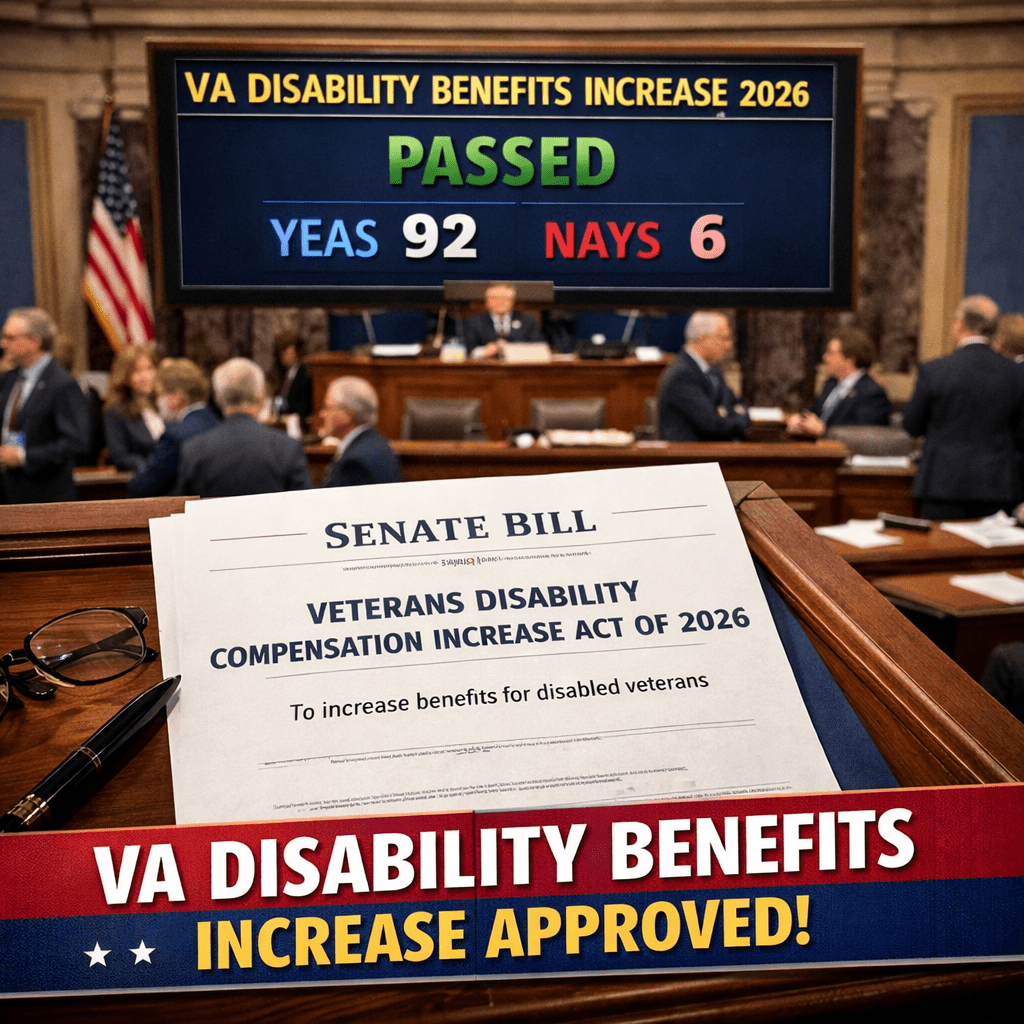
A new bipartisan bill in the U.S. Senate—S. 4487—could significantly increase monthly VA disability and survivor benefits for millions of Veterans and their families. Introduced by Senator Jerry Moran with broad bipartisan support, the bill aims to raise the base payment rates for both VA disability compensation and Dependency and Indemnity Compensation (DIC), with changes taking effect as early as late 2026.
At a time when inflation and rising living costs continue to strain Veteran households, this legislation represents one of the most consequential proposed adjustments to VA compensation in years. Unlike annual cost‑of‑living adjustments (COLA), which fluctuate with inflation, S. 4487 would permanently raise the baseline of VA payments across all disability ratings.
What Senate Bill S. 4487 Actually Does
According to the bill text and congressional summaries, S. 4487 would:
- Increase VA disability compensation rates for all Veterans with service‑connected disabilities
- Increase DIC payments for surviving spouses and dependents
- Apply increases automatically—no new application required
- Raise payment levels across all disability ratings, from 0% to 100%
- Affect more than 5 million Veterans and survivors currently receiving compensation
This is not a new benefit category. It is a structural increase to the existing compensation tables.
What the Bill Does Not Do
S. 4487 does not:
- Change how disability ratings are assigned
- Create new eligibility categories
- Replace annual COLA increases
- Alter the VA’s service‑connection criteria
- Change the claims or appeals process
In short: your rating stays the same, but your monthly payment would go up.
Who Would Be Affected
If passed, the bill would impact:
- All Veterans currently receiving VA disability compensation
- Surviving spouses receiving DIC
- Dependent children eligible under DIC
- Veterans with ratings from 0% to 100%
- Veterans receiving additional compensation for dependents
The VA reports nearly 6 million Veterans currently receive disability compensation, meaning the bill’s reach would be massive.
Why This Matters for Veterans
1. Permanent Increase, Not Temporary Relief
COLA increases fluctuate with inflation. S. 4487 raises the baseline—meaning every future COLA increase would start from a higher number.
2. Helps Veterans Struggling With Rising Costs
Housing, food, utilities, and medical expenses have all risen sharply since 2020. Many Veterans—especially those on fixed incomes—have felt the squeeze.
3. Supports Survivors and Families
DIC payments would also rise, providing long‑overdue financial relief to surviving spouses and dependents.
4. Could Improve Recruitment and Retention
Experts note that stronger long‑term benefits may help rebuild trust and encourage future service.
How Much Will Payments Increase?
The bill does not specify exact dollar amounts yet. That will come after:
- A Veterans’ Affairs Committee hearing
- A Congressional Budget Office (CBO) cost estimate
- Negotiations on final payment tables
However, because the increase applies across all ratings, every Veteran receiving compensation would see a higher monthly payment.
Where the Bill Stands Now
- Introduced: Filed in the Senate
- Current Status: Awaiting Veterans’ Affairs Committee hearing
- Next Step: CBO cost estimate
- Outlook: Bipartisan support gives it momentum, but Congress is juggling multiple Veteran‑related bills this session.
What This Means for You
If you are a Veteran receiving disability compensation—or a surviving spouse receiving DIC—you would not need to reapply or submit new evidence.
If S. 4487 becomes law:
- Your monthly payment would increase automatically
- Your rating stays the same
- Your eligibility does not change
- Your future COLA increases would be based on a higher baseline
For many Veterans, especially those rated 70%–100% or those supporting dependents, this could mean hundreds of additional dollars per month once implemented.







 VeteranJaime
Leave a comment