via Veterans InfoTap
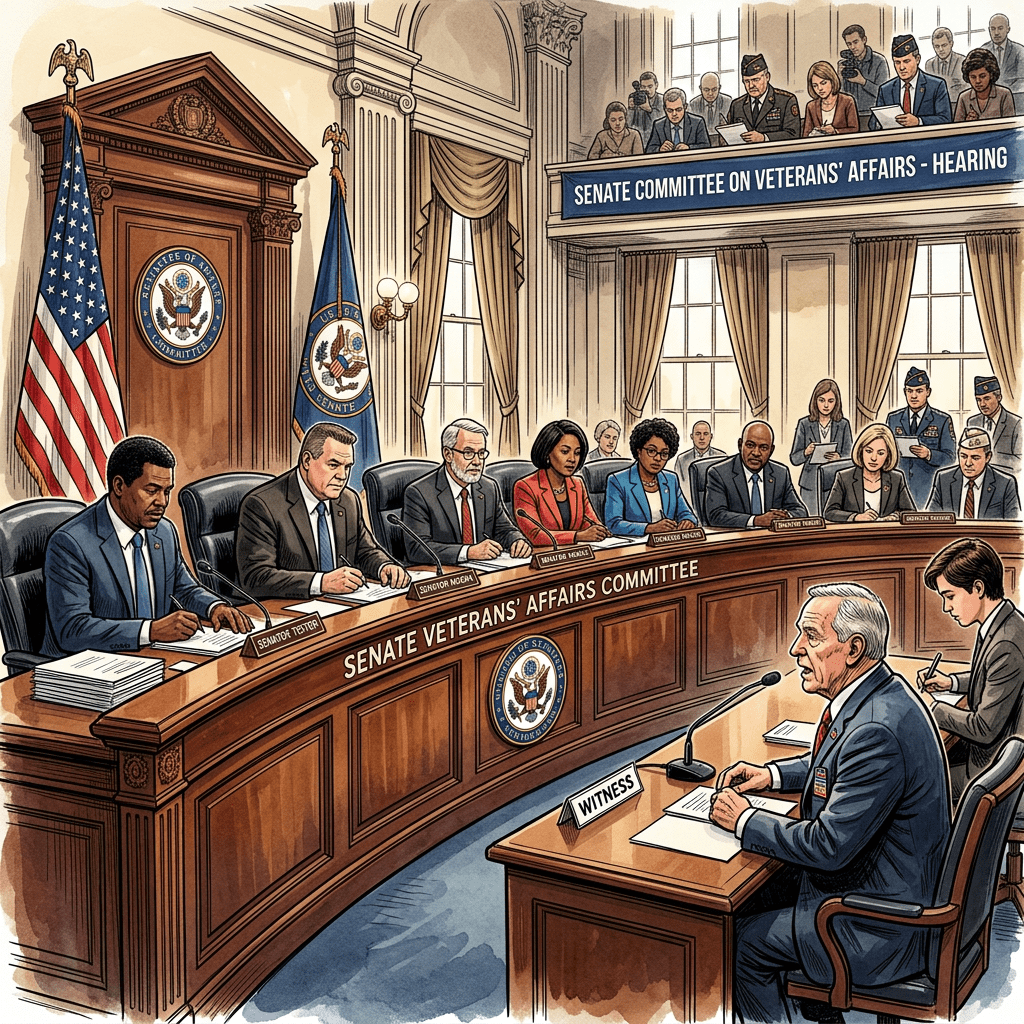
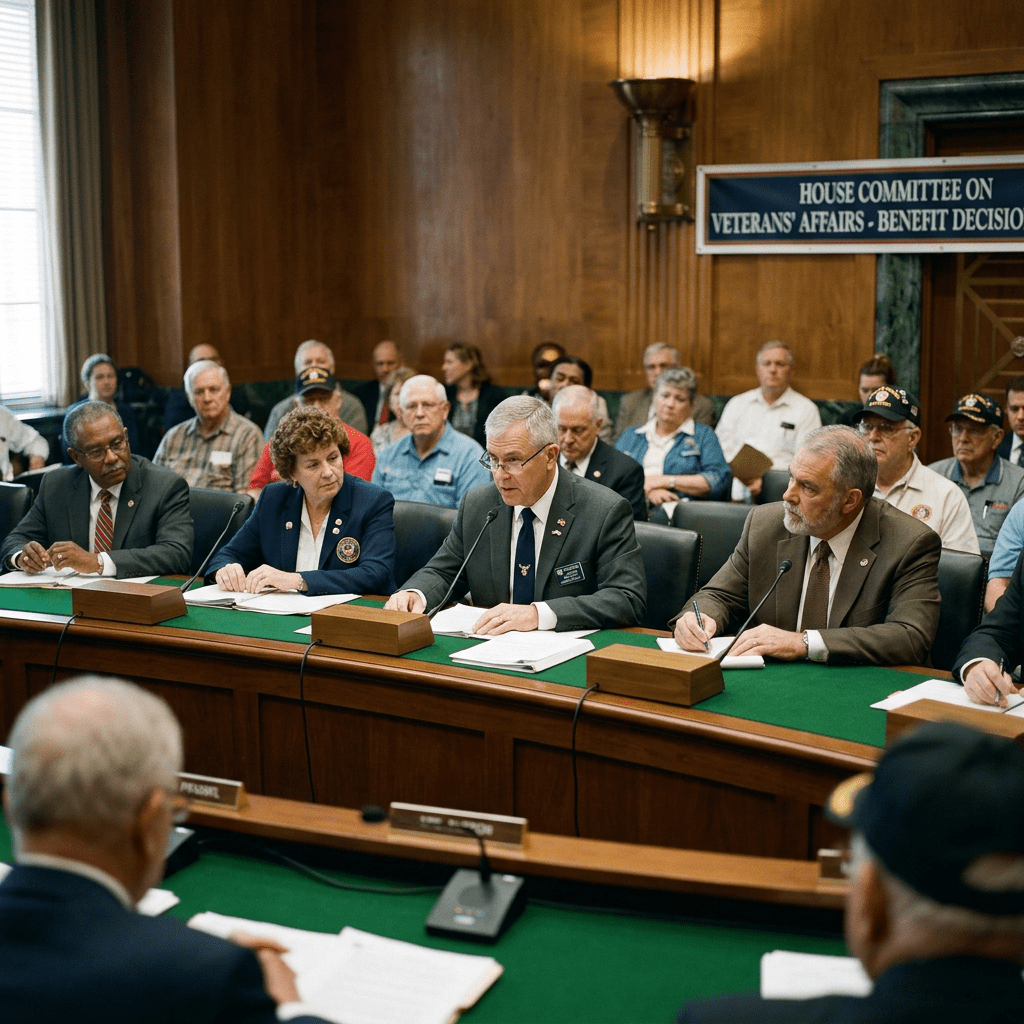
The Senate Veterans’ Affairs Committee convened to evaluate 25 pieces of pending veterans legislation, addressing critical issues ranging from disability benefits and appeals modernization to women’s health, workforce shortages, toxic exposure transparency, and access to innovative mental health treatments. The hearing underscored a bipartisan commitment to improving how the Department of Veterans Affairs (VA) delivers care, benefits, and accountability to the veteran community.
Chaired by Senator Jerry Moran, the session featured testimony from senior VA leaders including Margarita Devlin, Principal Deputy Under Secretary for Benefits; Dr. Mark Koerger, Acting Assistant Under Secretary for Health; and David Barrans, Deputy Vice Chairman of the Board of Veterans’ Appeals.
1. Legislative Priorities and VA Performance Updates
Chairman Moran opened by highlighting four of his bills under consideration, including the Disabled Veterans Dignity Act and the Optimizing the VA Workforce for Veterans Act. He emphasized that improving veterans’ lives is a shared, bipartisan mission.
VA leadership reported:
- 3 million+ claims processed in 2025, with a similar pace in 2026
- 94% rating quality, the highest in two years
- 15,000 beneficiaries participating in GI Bill apprenticeship programs
- Ongoing efforts to reduce the disability claims backlog without sacrificing accuracy
The VA expressed strong support for bills that stabilize long-term programs such as the Joint Medical Facilities Fund Act and the Healthcare for Homeless Veterans Act.
2. Workforce Shortages and Transparency Failures
A major point of contention involved staffing shortages, particularly a case where a VA facility temporarily closed ICU and surgical beds without notifying Congress.
Senators demanded:
- A strategic human capital plan
- Better communication with Congress
- Assurance that staffing aligns with veteran demand
The VA acknowledged the issue and committed to improving transparency and staffing strategies.
3. New Hampshire’s Fight for a Full-Service VA Hospital
Senator Hassan pressed the VA on the White House’s refusal to release a feasibility study and action plan regarding a full-service VA hospital in New Hampshire.
Key concerns:
- Veterans deserve visibility into decisions affecting their care
- The VA could not explain why the documents were withheld
- A written response was requested within one week
This exchange highlighted ongoing frustrations with VA transparency.
4. Improving Access to Care and Scheduling
Multiple senators emphasized the need for simplified appointment scheduling, especially through:
- The Improving Veterans Access to Care Act
- Women’s specialty care access legislation
- Direct scheduling pathways for gynecological services
The VA agreed to collaborate on implementation and refine technical language.
5. Toxic Exposure, PAC Act Transparency, and Outreach
Senator Blumenthal challenged the VA on its limited outreach regarding PAC Act presumptive conditions.
VA’s current efforts include:
- Federal Register notices
- Newsletters
- Listening sessions
But senators argued these methods fail to reach most veterans. Calls for more proactive, accessible communication were clear.
6. Outdoor Recreation Therapy and VA Opposition
Senator Cramer confronted the VA for opposing the Veterans Outdoor Recreation Therapy Act, which would fund state-level programs supporting therapeutic outdoor activities.
VA concerns included:
- Measurement of therapeutic outcomes
- Program boundaries
- Administrative authority
Senators pushed back, noting widespread VSO support and the proven value of outdoor therapy.
7. Maternal Health for Women Veterans
Senator Duckworth highlighted alarming findings:
- Severe maternal morbidity among veterans nearly doubled (2011–2020)
- Highest rates among African-American veterans
The VA has begun:
- Quarterly reporting on maternal health outcomes
- A mental health screening dashboard for maternity care coordinators
Duckworth urged continued investment and bipartisan support for the Maternal Health for Veterans Act.
8. Appeals Backlog and AMA Inefficiencies
The Board of Veterans’ Appeals expects:
- 21,000 more appeals this fiscal year
- A rise in pending appeals for the first time since AMA implementation
Senators questioned whether the VA is repeating past mistakes. The VA expressed partial support for reforms but raised concerns about operational feasibility.
9. Novel Therapeutics and Psychedelic-Assisted Treatment
Senators pressed the VA to expand access to emerging mental health treatments, including psychedelic-assisted therapy for PTSD.
Key points:
- VA already uses ketamine/esketamine in 53 facilities
- A dedicated office for novel therapeutics is under consideration
- Senators stressed the need to codify access in law to prevent future rollbacks
- Veterans are currently seeking unregulated treatment abroad due to lack of domestic access
The VA agreed to collaborate on refining legislative language.
10. Better Benefits Awareness for Veterans
Senator King demonstrated how AI can instantly generate state-specific benefits information—highlighting how simple it should be for the VA to provide clear, accessible resources.
He urged the VA to:
- Modernize communication
- Support workplace benefits posters
- Improve outreach across all states
The VA acknowledged the need but cited administrative challenges.
Conclusion
The hearing revealed both progress and persistent gaps in the VA’s ability to meet the evolving needs of veterans. While bipartisan support remains strong, senators repeatedly emphasized the need for:
- Greater transparency
- Faster implementation
- Better communication
- Modernized systems
- Stronger accountability
For veterans, the stakes remain high. These legislative decisions will shape access to care, benefits, mental health treatment, and quality of life for millions who served.







 VeteranJaime
Leave a comment